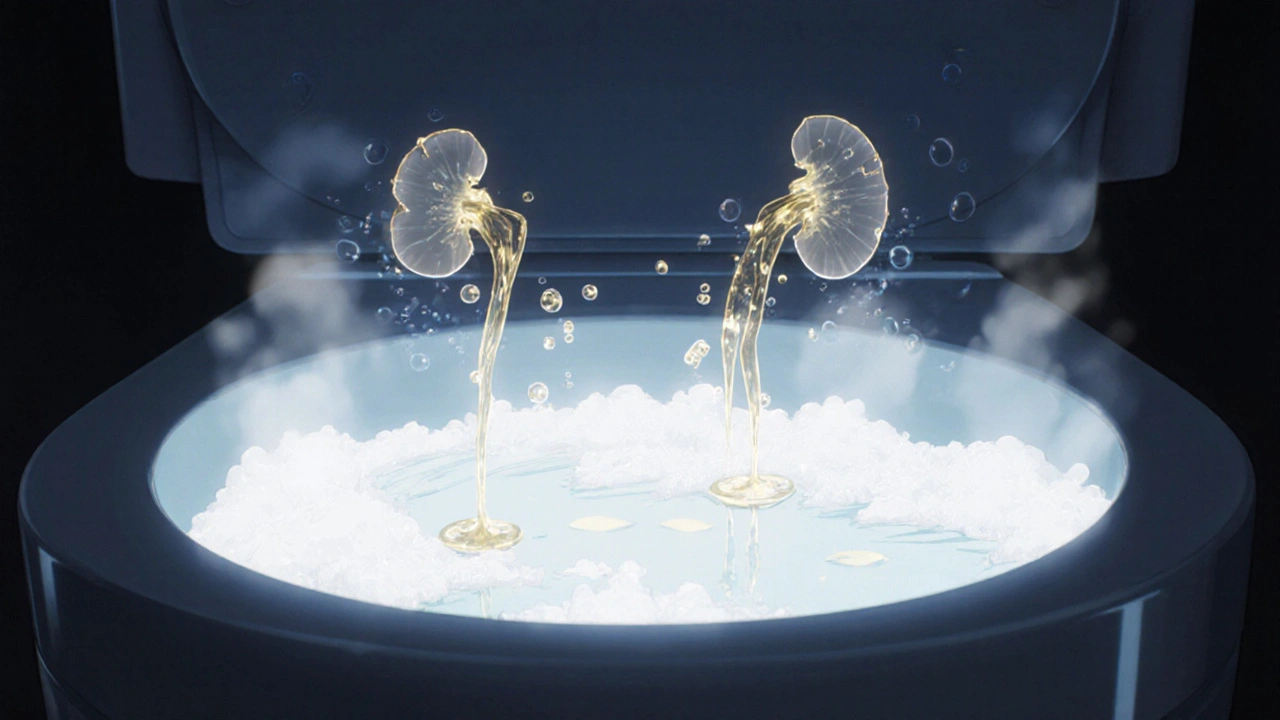
When urine protein, the presence of abnormal amounts of protein in urine, often indicating kidney damage or dysfunction. Also known as proteinuria, it's not a disease itself but a warning sign your kidneys might be leaking what they should be keeping in. Healthy kidneys filter waste while holding onto proteins like albumin. If they’re damaged—by diabetes, high blood pressure, or inflammation—they let protein slip through into your urine. That’s when a simple urine test becomes critical.
Kidney disease, a gradual loss of kidney function over time, often without early symptoms is the most common reason for elevated urine protein. But it’s not the only one. High blood pressure, a condition that strains blood vessels throughout the body, including those in the kidneys can damage the filtering units, leading to protein leakage. Even temporary issues like intense exercise, fever, or dehydration can cause short-term spikes. The key is knowing whether it’s a one-time blip or a persistent signal.
Doctors often measure albuminuria, the specific type of protein most commonly found in urine during early kidney damage because it’s more sensitive than total protein. A single test isn’t enough—repeat testing over weeks or months tells the real story. If your urine keeps showing protein, especially with other signs like swelling in the legs or fatigue, it’s time to dig deeper. This isn’t about panic. It’s about catching problems early, when lifestyle changes or medication can still make a big difference.
Many of the posts here connect directly to this issue. You’ll find details on how hypertension medications protect kidney function, how metformin impacts people with diabetes and kidney stress, and what home hemodialysis looks like when kidney damage has advanced. You’ll also see how medication absorption changes after surgery, how diuretics affect fluid balance, and why NSAIDs can worsen kidney strain. These aren’t random topics—they’re all pieces of the same puzzle: how your body handles waste, fluid, and filters, and what happens when things go wrong.
What you’ll find below isn’t just a list of articles. It’s a practical guide to understanding the systems behind urine protein—what triggers it, how it’s monitored, and how treatments for related conditions like diabetes, heart disease, and autoimmune disorders can either help or hurt your kidneys. Whether you’re checking your own test results or supporting someone who is, these posts give you the real-world context you need to ask better questions and make smarter choices.