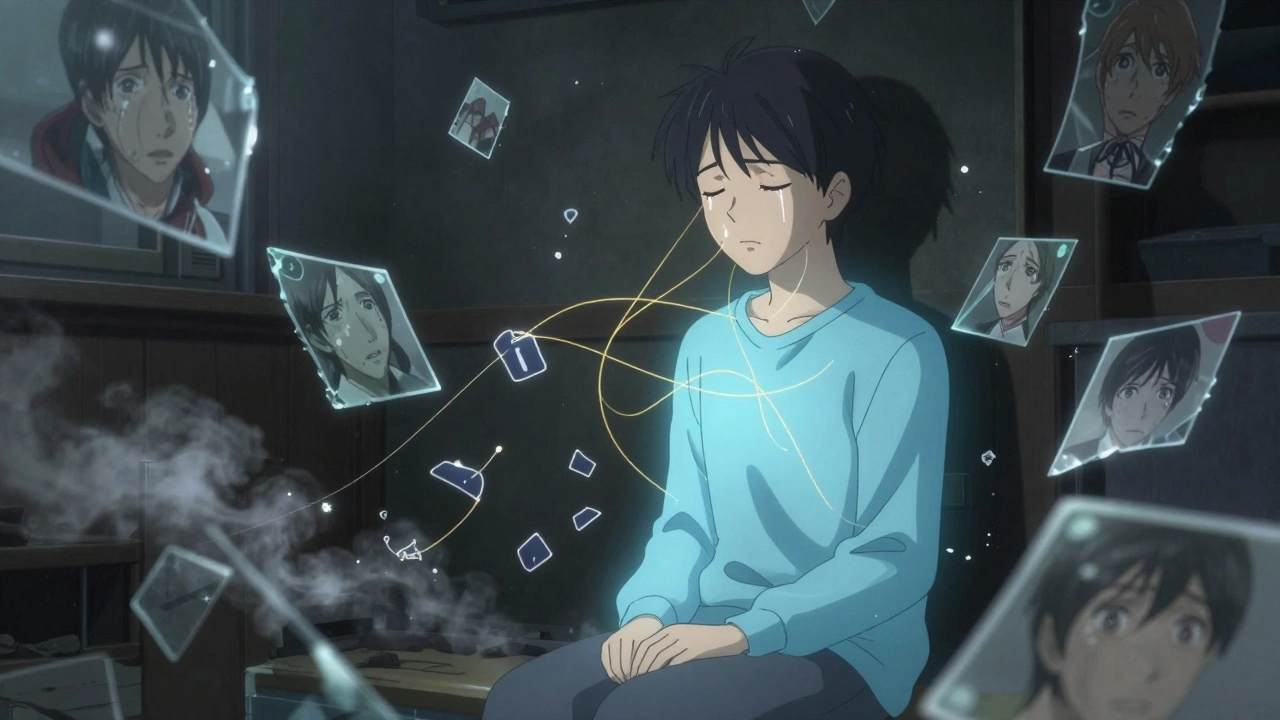
When you experience something deeply upsetting—like an accident, abuse, or sudden loss—your body doesn’t just forget it. trauma processing, the natural and guided effort to integrate overwhelming experiences so they no longer control your daily life. Also known as emotional trauma resolution, it’s how your brain and nervous system move from survival mode back to safety. This isn’t about talking through the past endlessly. It’s about resetting your body’s alarm system so you don’t keep reacting as if the danger is still happening.
Many people think trauma only shows up as flashbacks or nightmares, but it often hides in plain sight: chronic anxiety, unexplained pain, sudden anger, numbness, or feeling disconnected from your own life. PTSD, a clinical diagnosis that can follow unresolved trauma is just one possible outcome. Others develop physical symptoms, sleep problems, or struggle with trust—even if they can’t pinpoint why. The key is that trauma isn’t stored in your memory alone. It’s locked in your muscles, your breath, your heart rate. That’s why simple talk therapy doesn’t always work. Effective trauma therapy, structured approaches like EMDR, somatic experiencing, or polyvagal-informed care help your body release what your mind can’t yet process.
Healing doesn’t require reliving every painful moment. It’s about building new signals of safety: grounding techniques, regulated breathing, movement, and safe connection. Your nervous system learns, slowly, that you’re not alone and you’re not in danger now. This is why practices like yoga, mindfulness, and even walking in nature show up in trauma recovery—they’re not just "relaxation." They’re rewiring tools. And when combined with professional support, they help people stop living in the past and start feeling present again.
What you’ll find below isn’t a list of theories. It’s a collection of real, practical guides written for people who’ve been through something hard and are looking for clear, science-backed ways to heal. From how medications interact with stress responses, to how chronic inflammation links to emotional trauma, to what happens when your body stays stuck in fight-or-flight—these posts give you the tools, not just the explanations. You’re not broken. You’re adapting. And there are proven ways to reset.