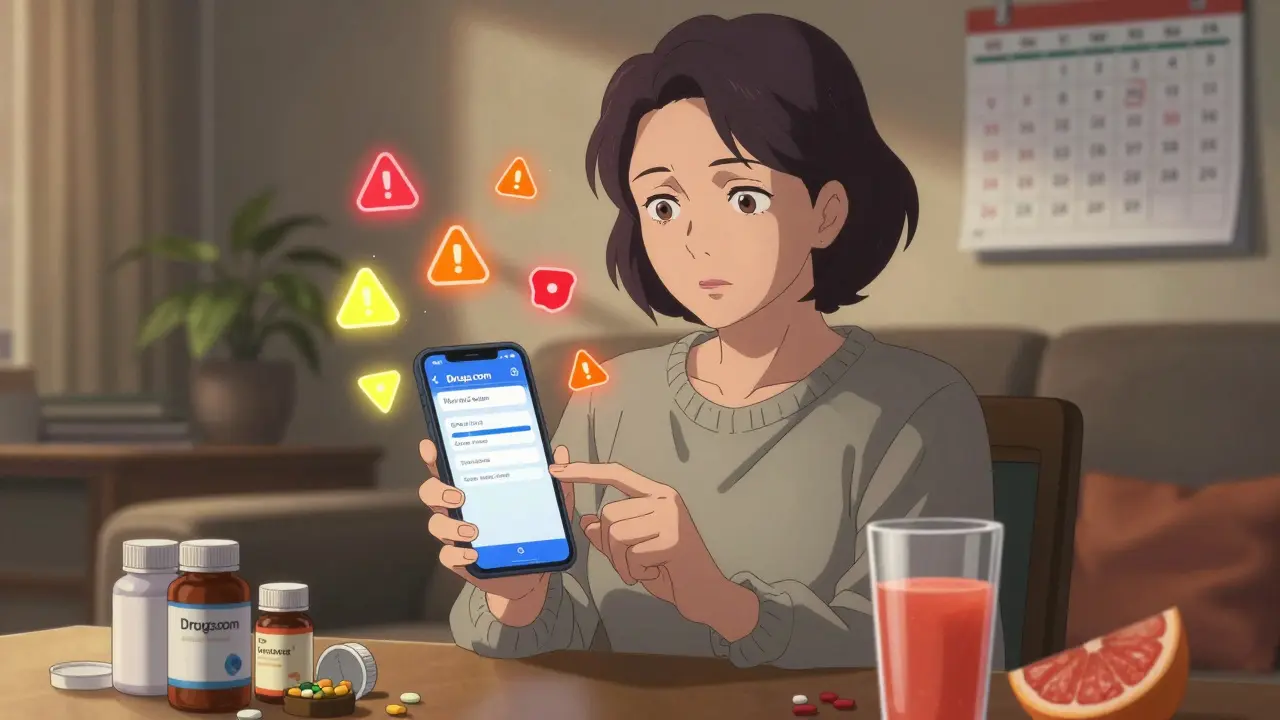
When you take a supplement interaction, a harmful or unexpected effect that happens when two or more substances affect each other in your body. Also known as nutrient-drug interaction, it’s not just about what you’re taking—it’s about how those things talk to each other inside you. Many people think supplements are harmless because they’re "natural." But vitamin C can mess with blood thinners. St. John’s wort can make your birth control useless. Garlic pills might turn your aspirin into a bleeding risk. These aren’t rare accidents—they happen every day, often because no one checked.
One of the biggest problems is herbal supplement interactions, how plant-based products like echinacea, ginkgo, or turmeric change how your body handles medicine. Ginkgo boosts blood flow, which sounds good—until you’re on warfarin and start bruising easily. Turmeric is anti-inflammatory, but it can amplify the effect of NSAIDs like ibuprofen and raise your risk of stomach bleeding. Even something as simple as calcium can block your thyroid meds if you take them too close together. And it’s not just herbs. Iron, magnesium, zinc—they all have their own rules. Some steal absorption from antibiotics. Others slow down how fast your liver breaks down antidepressants or blood pressure pills.
Then there’s vitamin interactions, how fat-soluble vitamins like A, D, E, and K build up and interfere with other drugs. High-dose vitamin K can undo the effect of blood thinners. Too much vitamin E might thin your blood even more than aspirin. And don’t assume your multivitamin is safe—it often packs a punch of multiple nutrients that can stack up dangerously with your prescriptions. People on statins, diabetes meds, or antiretrovirals are especially at risk, but you don’t need to be on heavy drugs to get hurt. Even OTC painkillers and common supplements can turn risky when mixed.
What’s missing from most labels? Clear warnings. Pharmacists aren’t always told what you’re taking. Doctors assume you’re not using supplements unless you say so. And online sellers? They’ll sell you 10 different pills that all do the same thing—then tell you to take them together for "maximum results." That’s not health advice. That’s a recipe for trouble. The truth is, you don’t need to stop supplements. You just need to know which ones are safe with your meds, and which ones could land you in the ER.
Below, you’ll find real cases where people got hurt—or saved—by understanding these clashes. From how St. John’s wort affects antidepressants to why you shouldn’t mix calcium with antibiotics, these posts give you the facts without the fluff. No theory. No guesswork. Just what works, what doesn’t, and what you should never mix.