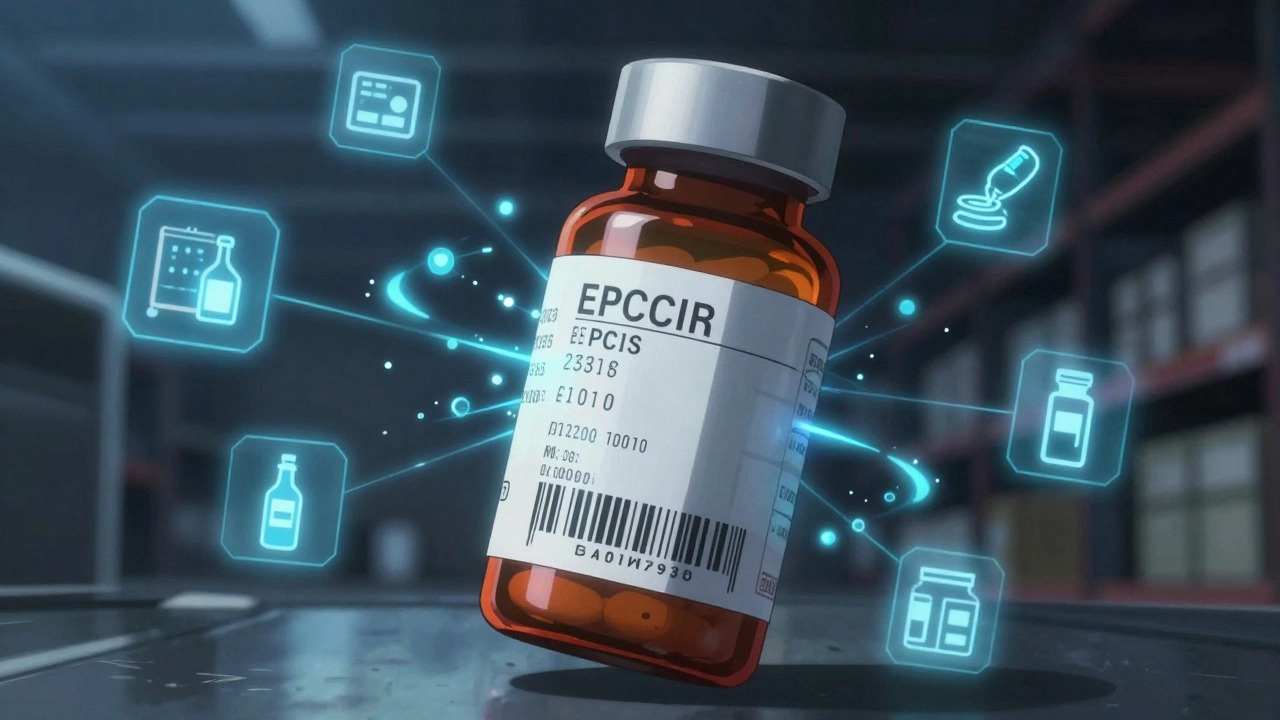
When you pick up a prescription, serialization, the process of assigning unique identifiers to each drug package to track it from factory to pharmacy. Also known as product traceability, it's not just a regulatory checkbox—it's what stops counterfeit pills from ending up in your medicine cabinet. Every bottle, blister pack, or vial with a serial number is part of a digital trail that helps pharmacies, regulators, and manufacturers verify authenticity. Without it, fake opioids, diluted antibiotics, or expired cancer drugs could slip through unnoticed.
Serialization directly supports medication safety, the practice of preventing harm from drugs through accurate tracking, proper labeling, and error prevention. Think of it like a barcode on your groceries—but for life-saving medicine. When a pharmacist scans your prescription, they’re not just checking the drug name—they’re confirming the serial number matches the manufacturer’s record. This cuts down on dispensing errors, recalls, and tampering. It also ties into pharmaceutical serialization, the system-wide use of unique identifiers across the entire drug supply chain, which is now required by law in the U.S., EU, and many other countries. This isn’t about big tech—it’s about real people getting the right drug, at the right dose, without hidden risks.
Behind every serialized package is a network of supply chain integrity, the reliability and security of how drugs move from makers to patients. If a batch of metformin gets recalled because of contamination, serialization lets them pull only the affected packs—not every bottle in every pharmacy. If a pharmacist spots a suspicious label, they can check the serial number against the official database in seconds. This system helps explain why posts on adverse event reporting, generic medication safety, and barcode scanning in pharmacies keep appearing together. They’re all pieces of the same puzzle: making sure what’s on the label is what’s in the bottle.
What you’ll find below isn’t theory—it’s real-world examples of how serialization touches every corner of drug safety. From how pharmacists use scanning to prevent errors, to how digital pharmacies are building traceability into delivery, to why certain medications need extra tracking due to abuse risk—each post shows how this invisible system keeps you protected. You won’t see serial numbers on your bottle, but you’ll feel the difference when you know your meds are real.