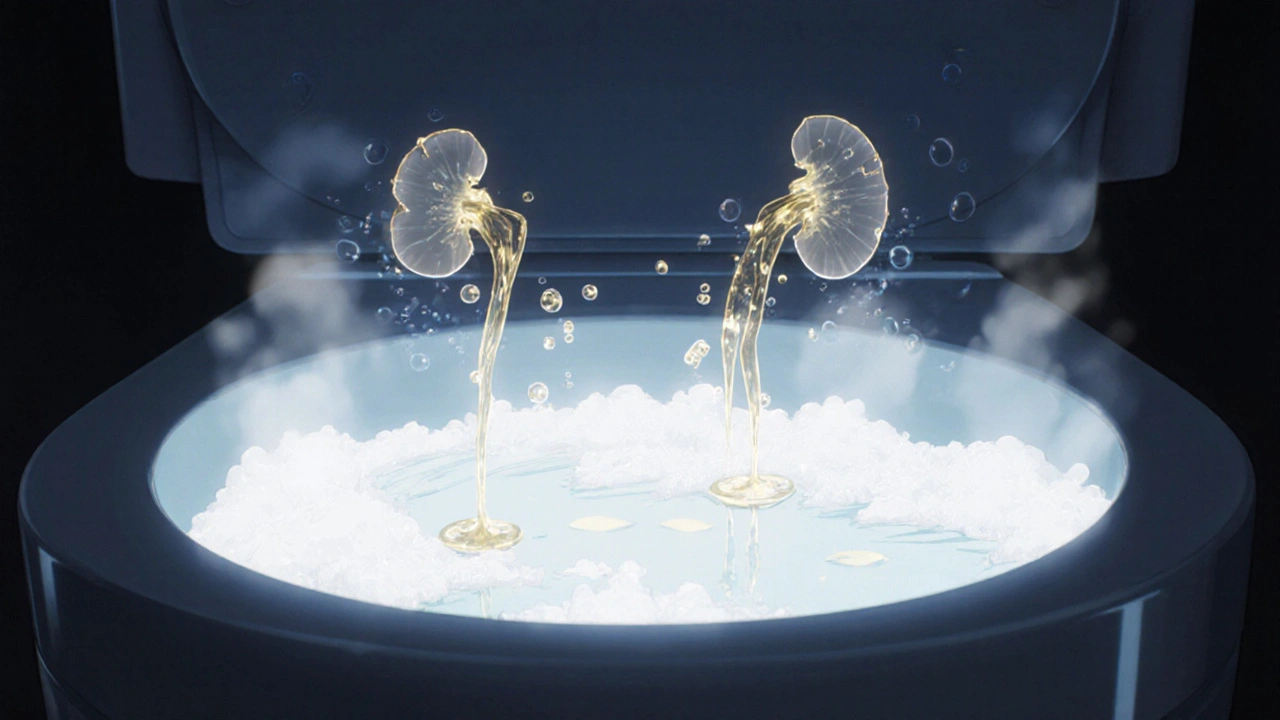
When your urine contains too much protein, it’s called proteinuria, a condition where the kidneys leak protein into the urine, often signaling early kidney damage. Also known as albuminuria, it’s not a disease itself — but a warning sign that something’s off with how your kidneys filter blood. Healthy kidneys keep proteins like albumin where they belong — in your bloodstream. When they start letting protein slip through, it’s like a sieve with new holes. This doesn’t always mean serious trouble, but ignoring it can let small problems become big ones.
Proteinuria often shows up quietly. You might not feel anything at first. That’s why doctors check urine during routine visits — especially if you have high blood pressure, a leading cause of kidney damage that strains the filtering units over time, or diabetes, the top reason for kidney failure worldwide. These conditions slowly wear down the kidney’s filters, making them leaky. Other triggers include infections, autoimmune disorders like lupus, or even intense exercise. In some cases, it’s temporary and harmless — but in others, it’s the first red flag for chronic kidney disease.
What happens next depends on how much protein is leaking and what’s causing it. A simple urine test can spot it, but follow-up blood tests, imaging, or even a kidney biopsy might be needed to find the root cause. The good news? Catching it early gives you a real shot at slowing or stopping the damage. Managing blood pressure, controlling blood sugar, cutting back on salt, and avoiding NSAIDs like ibuprofen can all help protect your kidneys. Some people need medication — like ACE inhibitors or ARBs — not just to lower blood pressure, but specifically to reduce protein loss.
The posts here cover related issues you might not connect to proteinuria at first glance — like how hypertension medications can protect your kidneys, why metformin is safe for most people with kidney concerns (but needs monitoring), and how NSAIDs can make proteinuria worse. You’ll also find info on bariatric surgery and its impact on kidney function, how home hemodialysis becomes necessary when kidneys fail, and what prescription label warnings to watch for if you’re on kidney-protecting drugs. These aren’t random topics — they’re all part of the same story: your kidneys at risk, and what you can do about it.