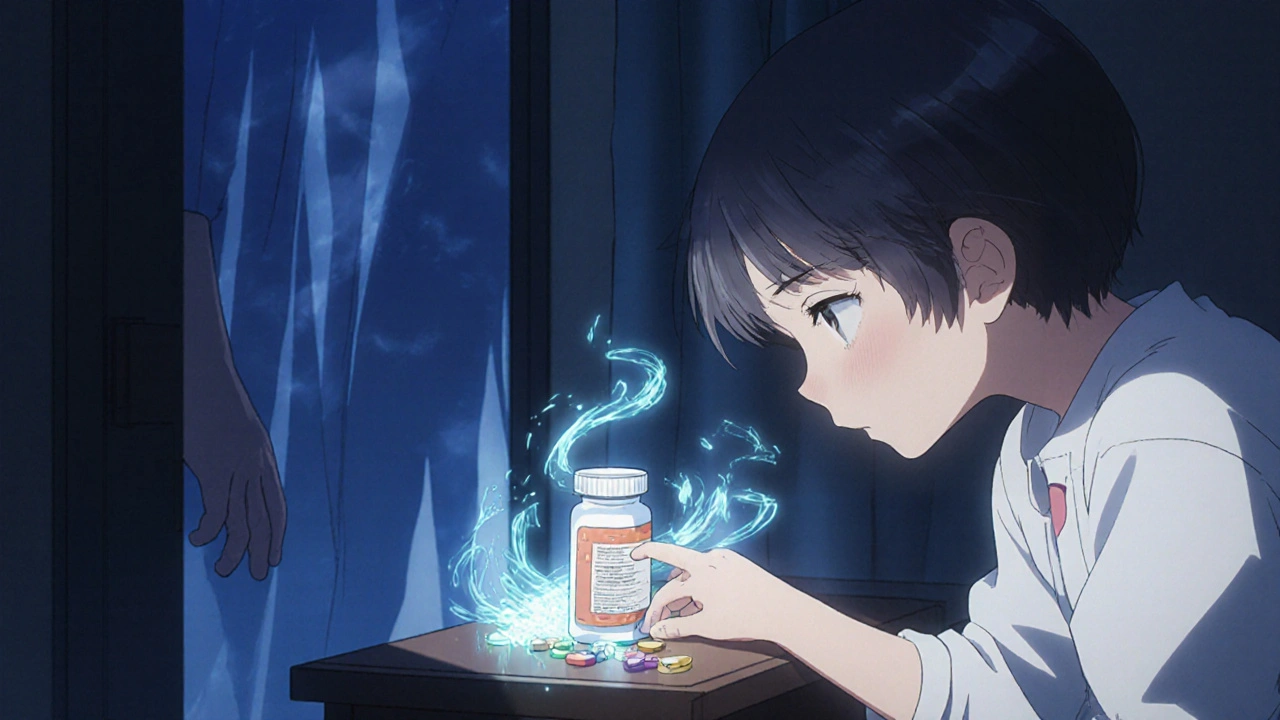
When a child accidentally takes too much medicine, it’s called a pediatric medication overdose, an unintended or accidental ingestion of a drug in harmful amounts by a child. Also known as child drug overdose, it’s one of the most common causes of emergency visits in young kids—especially under age 5. It’s not always intentional. A child might grab a bottle left on the nightstand, mimic taking medicine like a parent, or misread a dose on a syringe. The risk doesn’t come from just pills—liquid cough syrups, chewable vitamins, and even topical creams can be dangerous if swallowed in excess.
Many parents don’t realize how little it takes to cross the line from safe to dangerous. A single adult dose of acetaminophen can cause liver damage in a toddler. Iron supplements, even a few pills, can be deadly. And because kids’ bodies process drugs differently than adults, the same amount that causes mild drowsiness in you could trigger seizures or breathing trouble in them. This is why pediatric dosing, the precise calculation of medicine based on a child’s weight and age matters more than the brand or form. Even if the medicine is labeled "child-safe," too much is still too much. medication safety, the set of practices that prevent accidental exposure and misuse in households with children isn’t just about keeping bottles out of reach—it’s about using child-resistant caps correctly, never calling medicine "candy," and writing down doses in a logbook.
What do you look for? Vomiting, drowsiness, confusion, rapid heartbeat, or unusual breathing are red flags. But sometimes, there are no symptoms at all—until it’s too late. That’s why if you suspect an overdose, don’t wait. Call poison control immediately. Don’t try to make your child vomit unless instructed. Keep the medicine bottle handy so you can tell responders exactly what was taken and how much. Emergency teams need that info fast. And while most cases are accidental, some are preventable. A 2022 study from the CDC found that over 60% of pediatric overdoses happened because medicine was left in plain sight—on counters, in purses, or in open drawers. Simple habits like storing all meds in a locked cabinet, using original packaging, and double-checking doses before giving them can cut that number in half.
You’ll find posts here that dig into real cases, explain how to spot hidden dangers in common household medicines, and show you exactly how to store and measure doses safely. Some articles compare dosing tools—like syringes vs. cups—so you know which one actually gives you the right amount. Others break down what happens in the body when a child overdoses on things like ibuprofen, antihistamines, or even melatonin. There’s no guesswork here. Just clear, practical advice from real medical data. Whether you’re a parent, grandparent, or caregiver, this collection gives you the tools to act fast, stay calm, and keep your child safe.