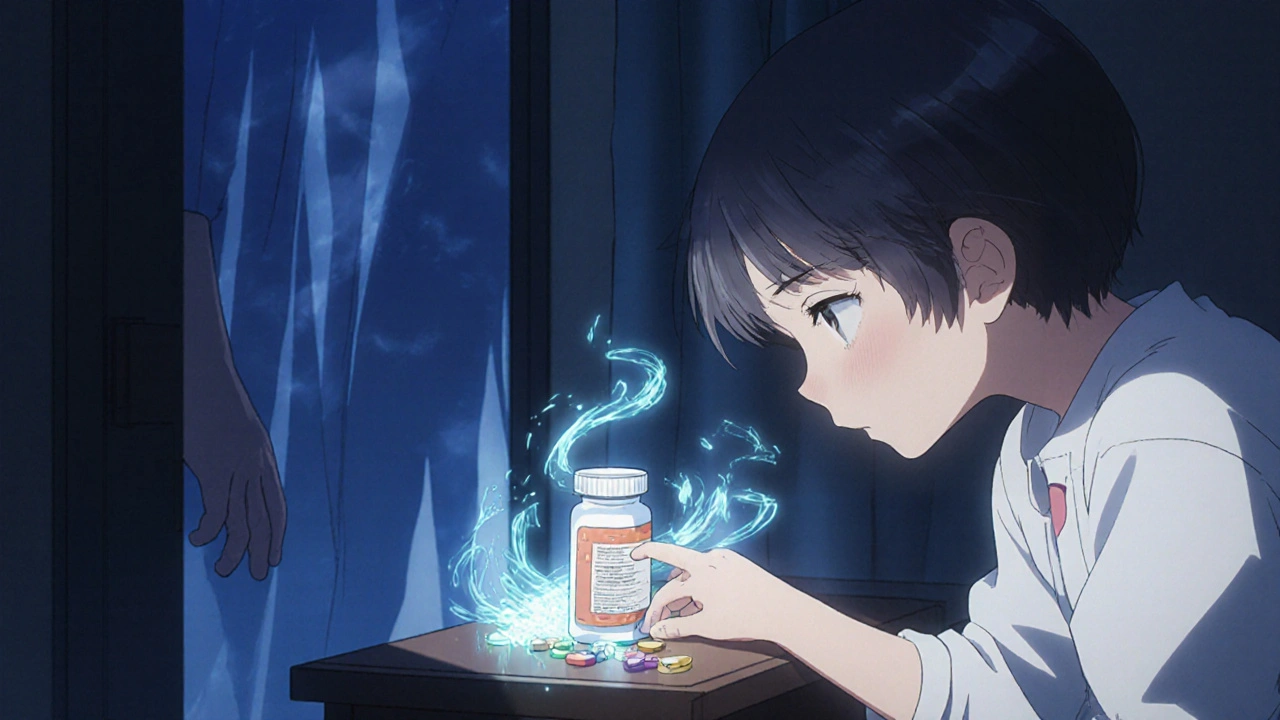
When a child accidentally takes opioids—whether it’s a pill left on a nightstand, a patch stuck to a toy, or medicine meant for an adult—it can turn deadly in minutes. Opioid overdose in children, a life-threatening reaction to too much opioid medication. It’s not rare, and it’s not always intentional. In fact, nearly half of pediatric opioid poisonings happen because adults didn’t secure their medicine. These drugs slow breathing, and in small bodies, even a tiny dose can stop it completely.
Naloxone, a fast-acting drug that reverses opioid effects. Also known as Narcan, it’s not just for adults. Emergency responders now carry child-sized doses, and many pediatricians recommend keeping it at home if opioids are present in the household. But naloxone isn’t a substitute for prevention. Pediatric opioid overdose, the accidental ingestion of opioid medications by children under 12. It’s often linked to prescription painkillers after surgery, leftover meds from elderly family members, or even illicit drugs like fentanyl mixed into counterfeit pills.
Children don’t show the same signs as adults. They might seem sleepy, confused, or unusually quiet. Their lips or fingernails turn blue. Their breathing gets shallow or stops. Parents often mistake this for just being tired or sick. But if a child suddenly can’t wake up after being near pills or patches, treat it like an emergency—call 911 immediately. Don’t wait. Don’t try to make them vomit. Don’t give them coffee or cold showers. Time is everything.
Most cases happen in homes where opioids are stored carelessly. A single pill can kill a toddler. A patch left on a couch cushion can poison a child who puts it in their mouth. Even used patches still contain enough drug to be lethal. That’s why locking up medicine isn’t optional—it’s a survival step. Use childproof containers, keep meds in a high cabinet, and dispose of expired pills at drop-off sites. If someone in the house uses opioids, talk to your doctor about naloxone for the whole family.
There’s no shame in asking for help. If you’re worried a child might get into your medicine, or if you’re unsure how to store it safely, talk to your pharmacist. They can show you lockboxes, disposal programs, and even teach you how to use naloxone. It’s not just about preventing misuse—it’s about protecting kids who don’t understand the danger.
Below, you’ll find real, practical guides on how to spot the warning signs, what to keep in your medicine cabinet, how to respond in a crisis, and how to talk to other caregivers about keeping kids safe. These aren’t theoretical tips—they’re actions that have saved lives. You don’t need to be a doctor to make a difference. You just need to be ready.