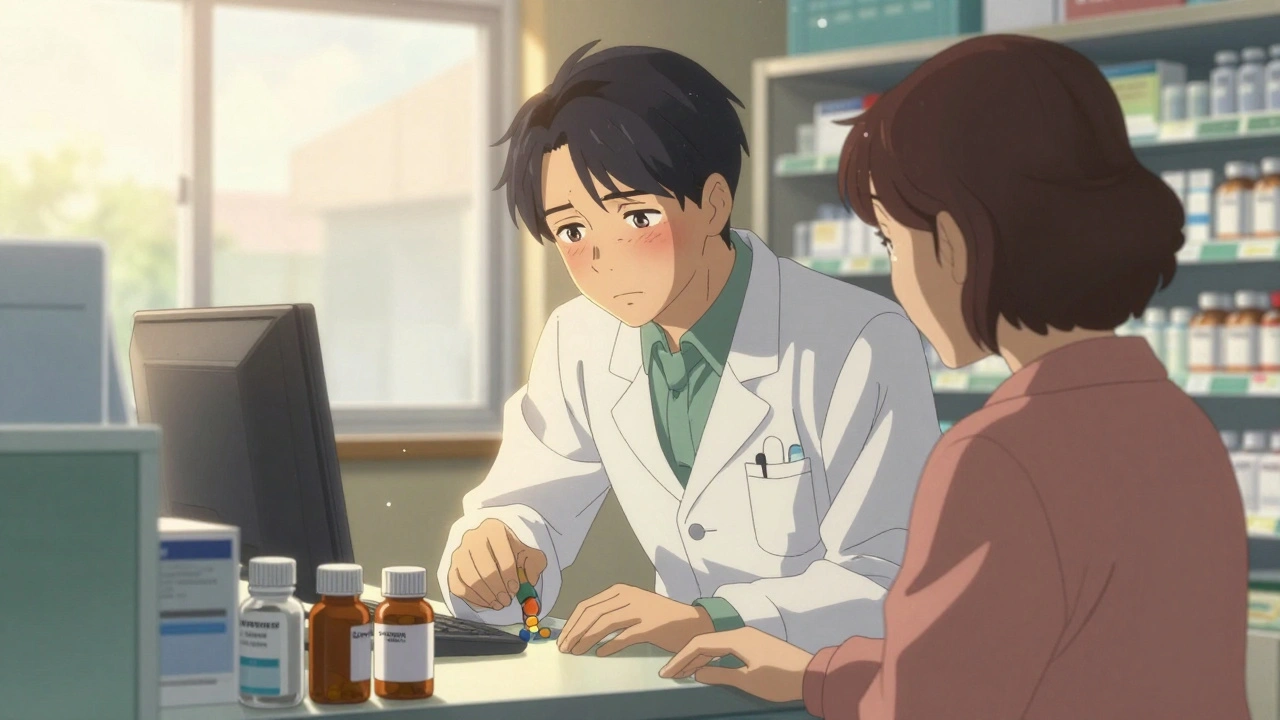
When you pick up a generic medication, a lower-cost version of a brand-name drug that must meet the same FDA standards for effectiveness and safety. Also known as generic drugs, it's the backbone of affordable healthcare in the U.S. But safety isn’t guaranteed just because it’s cheap. A pill labeled "generic" might look the same, but if it came from a shady supplier, wasn’t stored right, or interacts with something else you’re taking, it could do more harm than good.
One of the biggest threats to generic medication safety, the assurance that a non-brand drug performs as expected without hidden dangers is the counterfeit drugs, fake pills made to look real but often contain no active ingredient, wrong doses, or toxic fillers. The pharmaceutical supply chain, the network of manufacturers, distributors, and pharmacies that move drugs from lab to patient is supposed to block these, thanks to rules like DSCSA that track every pill with digital codes. But not every country enforces this, and online pharmacies without licenses still slip through. If you buy meds online without a prescription, you’re playing Russian roulette with your health.
Even real generics can be risky if your body absorbs them differently. After bariatric surgery, weight-loss procedures that change how your digestive system works, extended-release pills might not break down right. Thyroid meds need higher doses. Blood thinners can become unpredictable. And if your pharmacy skips barcode scanning, a safety step that checks the right drug, dose, and patient before dispensing, you could get someone else’s meds. These aren’t rare glitches—they happen more often than you think.
Then there’s the hidden danger: drug interactions, when two or more medications (or supplements) react in a way that changes their effect. A generic statin might clash with your HIV meds. Garlic supplements could thin your blood too much when you’re on warfarin. Even something as simple as grapefruit juice can turn a safe dose into a dangerous one. Prescription labels aren’t just there to look official—they’re warning you about real, life-threatening risks.
So what does safety really look like? It’s not about trusting the label. It’s about asking questions. Where did this pill come from? Does it interact with my other meds? Is my body still absorbing it the same way? The posts below cover exactly these questions—how to spot fake drugs, why your meds might not work after surgery, what supplements are secretly dangerous, and how pharmacies are trying (and sometimes failing) to keep you safe. You won’t find fluff here. Just straight facts on what works, what doesn’t, and what you need to do to protect yourself.