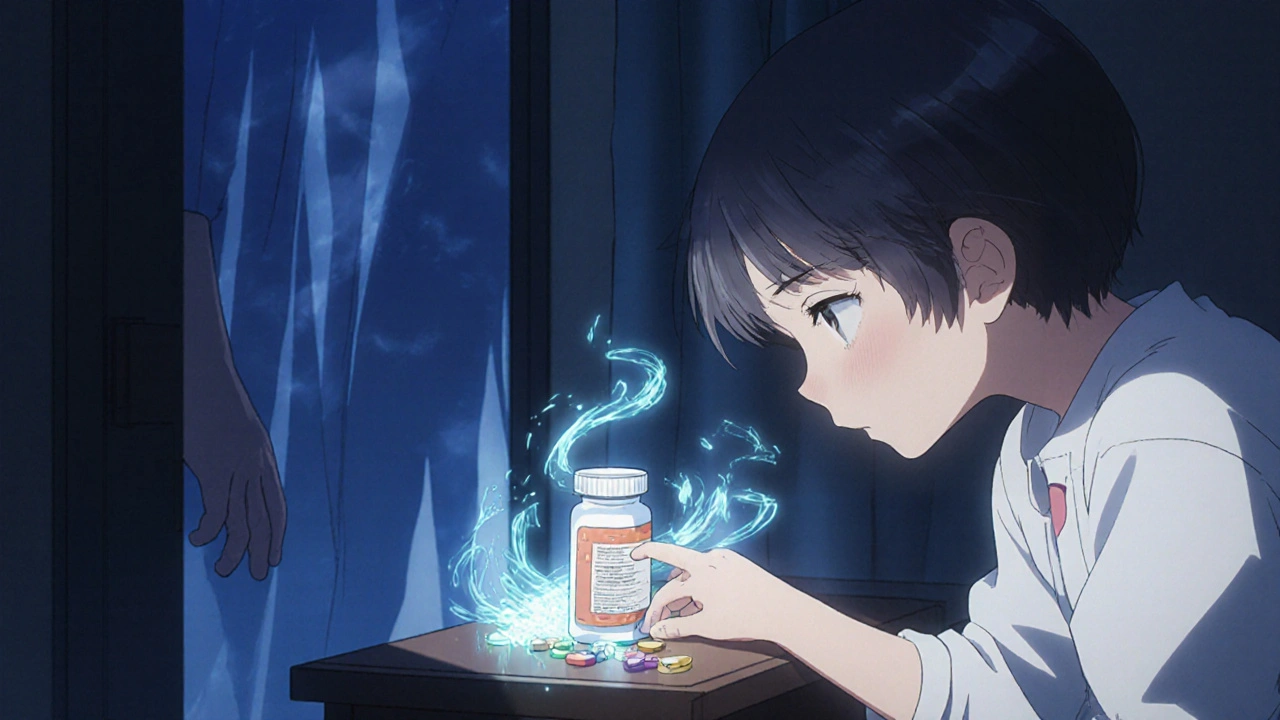
When a child accidentally takes too much medicine, it’s not just a scare—it’s a medical emergency. Child drug overdose, the unintentional or intentional ingestion of a harmful amount of medication by a child under 12. Also known as pediatric medication poisoning, it’s one of the most common reasons kids end up in emergency rooms. It doesn’t always mean a child got into the medicine cabinet—sometimes it’s a grandparent giving the wrong dose, a caregiver misreading the label, or a teen experimenting with pills they found at home.
Accidental overdose, when a child takes more than the recommended amount of a drug without intent to harm. Also known as unintentional poisoning, it’s the leading cause of drug-related hospital visits in kids under five. Common culprits? Liquid ibuprofen, cough syrups with dextromethorphan, ADHD meds like Adderall, and even baby aspirin if it’s left within reach. These aren’t rare cases—CDC data shows over 60,000 kids under six are treated for medication poisoning every year in the U.S. alone. And it’s not just about pills. Transdermal patches, liquid vitamins with iron, and topical creams can be just as dangerous if swallowed.
Pediatric medication safety, the set of practices that prevent children from accessing or misusing drugs. Also known as childproofing medicine, it’s not just about locks and high shelves. It’s about knowing which meds are most risky, how to store them properly, and what to do the second you realize something’s wrong. Many parents think, "My child doesn’t climb yet," or "I only leave it out for a minute," but kids are faster than we think. A curious toddler can pull down a purse, climb onto a counter, or open a bottle with surprising skill.
Signs of a child drug overdose aren’t always obvious. A child might seem sleepy when they shouldn’t, vomit without reason, have dilated pupils, or act confused or unusually quiet. In some cases, they might seem hyperactive or agitated—especially with stimulants. The key is not to wait for symptoms to get worse. If you suspect any kind of drug ingestion, call poison control immediately. Don’t wait for vomiting. Don’t try to make them throw up unless instructed. Time matters more than you think.
What you’ll find in the articles below isn’t theory—it’s real, practical advice from cases that happened. You’ll see how a single misplaced pill led to an ICU stay, how one family changed their routine after a close call, and why certain medications are more dangerous than others for kids. There’s no scare tactic here—just facts, steps, and what works when seconds count.