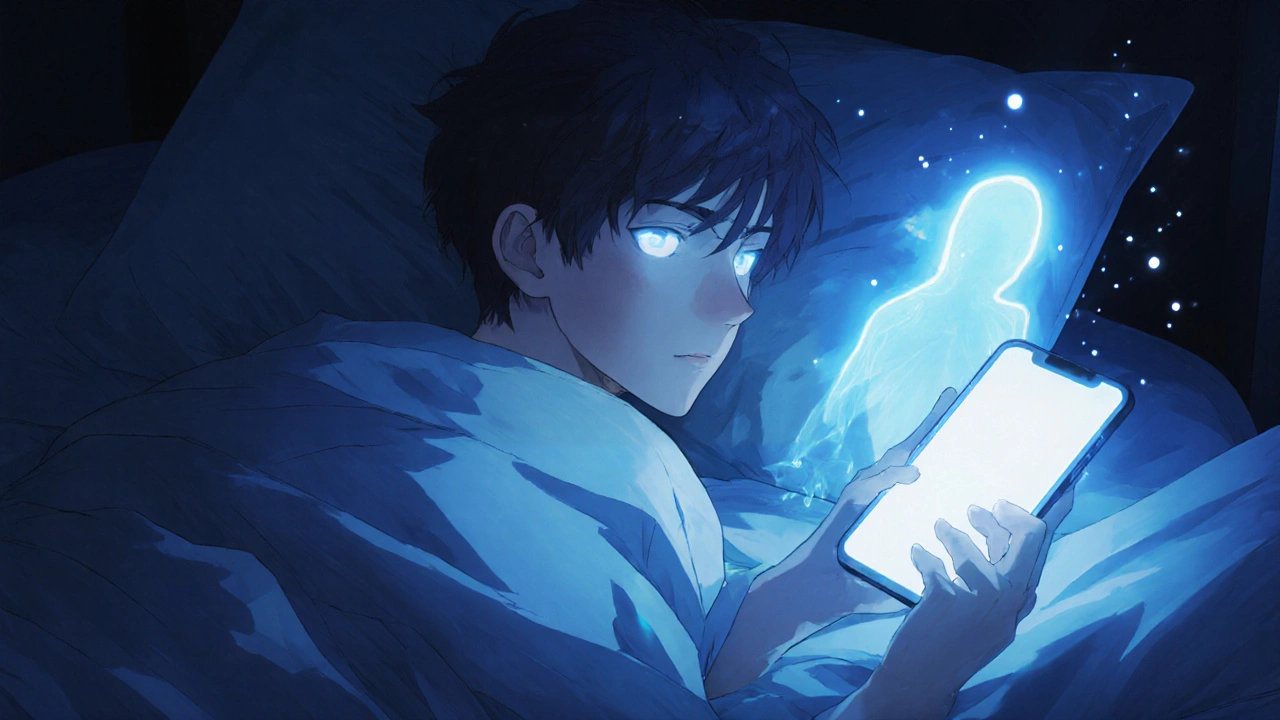
When you stare at your phone, laptop, or TV, you're exposed to blue light filters, software or hardware tools designed to reduce the amount of blue light emitted by digital screens. Also known as blue light blocking, these filters aim to make screen use less disruptive to your natural sleep cycle and eye comfort. Blue light is part of the visible light spectrum, and while sunlight contains it naturally, the problem comes from artificial sources—especially screens used late at night. Your body uses light cues to know when it’s time to sleep. Too much blue light after sunset tricks your brain into thinking it’s still daytime, which delays melatonin release and makes falling asleep harder.
This isn’t just about sleep. People who spend hours in front of screens report dry eyes, headaches, and blurred vision—symptoms grouped under digital eye strain, a condition caused by prolonged screen use, often worsened by poor lighting and screen glare. Blue light filters can help by reducing the harsh contrast between bright screens and dim rooms. But they’re not magic. The real issue is how long you’re staring at screens, not just the color of the light. Taking breaks, adjusting brightness, and keeping screens at arm’s length matter just as much—if not more.
Some blue light filters come as screen protectors, glasses, or built-in software modes like Night Shift or f.lux. But not all are created equal. Studies show that reducing blue light before bed can improve sleep quality, especially for teens and shift workers. Still, if you’re already struggling with insomnia or chronic eye discomfort, a filter alone won’t fix it. You need to look at your whole routine: when you use devices, how much you use them, and whether you’re getting enough natural light during the day.
What you’ll find below are real-world stories and science-backed advice about how blue light affects your health, what tools actually work, and how to avoid common mistakes. Some posts talk about melatonin and sleep aids, others about medication side effects that worsen fatigue, and a few about how daily habits shape your overall well-being. None of them promise a quick fix—but together, they give you a clear picture of what to change, and what to ignore.