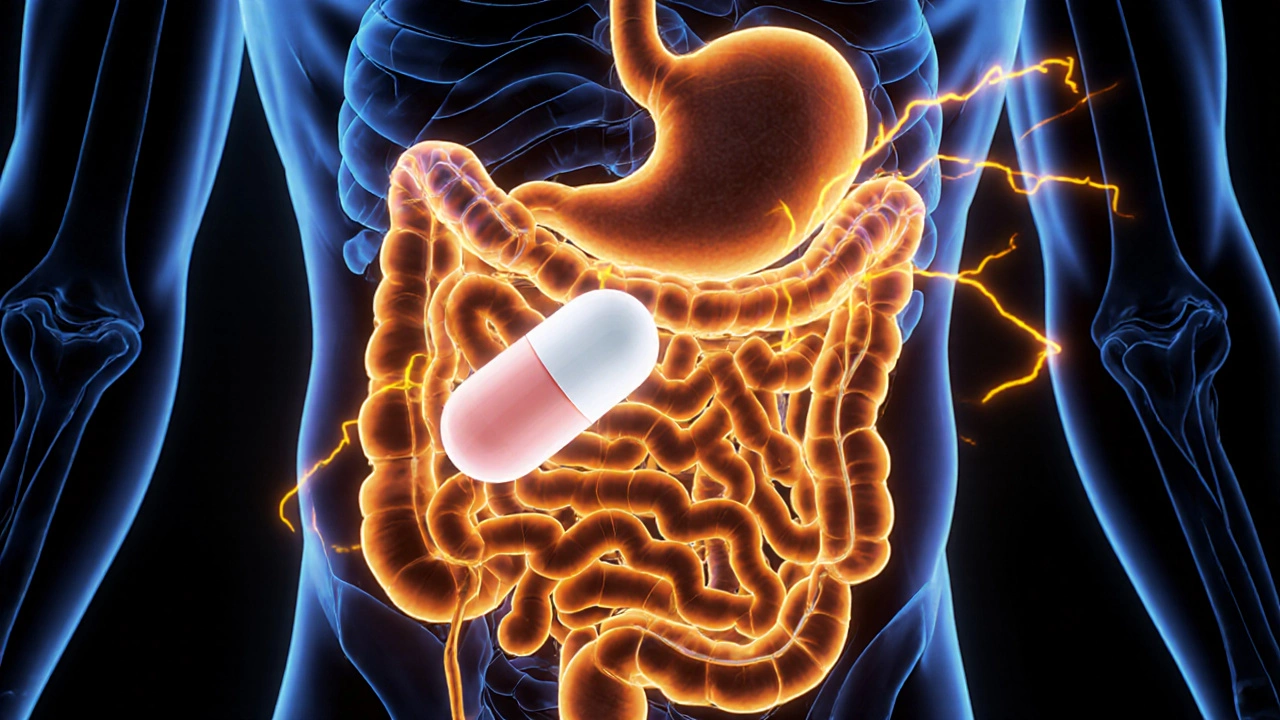
When you hear bariatric surgery, a set of medical procedures designed to help people with severe obesity lose weight by changing how the stomach and intestines process food. Also known as weight loss surgery, it’s not a quick fix—it’s a tool that works best when paired with lasting lifestyle changes. Millions of people in the U.S. live with obesity-related health problems like type 2 diabetes, high blood pressure, and sleep apnea. For many, diet and exercise alone aren’t enough. That’s where bariatric surgery steps in—not as a miracle, but as a turning point.
The most common types include gastric bypass, a procedure that shrinks the stomach and reroutes part of the small intestine to limit calorie absorption, and sleeve gastrectomy, where about 80% of the stomach is removed, leaving a banana-shaped pouch that holds far less food. Both reduce hunger hormones and make you feel full faster. These aren’t just about size—they change how your body talks to your brain about food. People who’ve had these procedures often see their diabetes improve or disappear within weeks, even before major weight loss happens.
It’s not for everyone. You typically need a BMI over 40, or over 35 with serious health issues like heart disease or severe sleep apnea. Insurance often requires proof you’ve tried other methods first. Recovery takes time—weeks of liquid diets, then soft foods, then careful reintroduction of solids. And yes, you’ll need to take lifelong vitamin supplements. But for many, the trade-off is worth it: more energy, less pain, and the ability to do things they couldn’t before—like playing with their kids, climbing stairs, or just standing without discomfort.
What you’ll find here aren’t just clinical summaries. These are real-world stories from people who’ve walked this path—what went right, what caught them off guard, and how they stayed on track. You’ll see how bariatric surgery connects to other health issues like medication interactions, nutrient absorption, and long-term mental health. Some posts dig into how weight loss affects blood pressure meds, others explain why certain supplements become essential after surgery, and a few warn about risks like dumping syndrome or vitamin deficiencies. This isn’t just about the operation—it’s about what happens next.