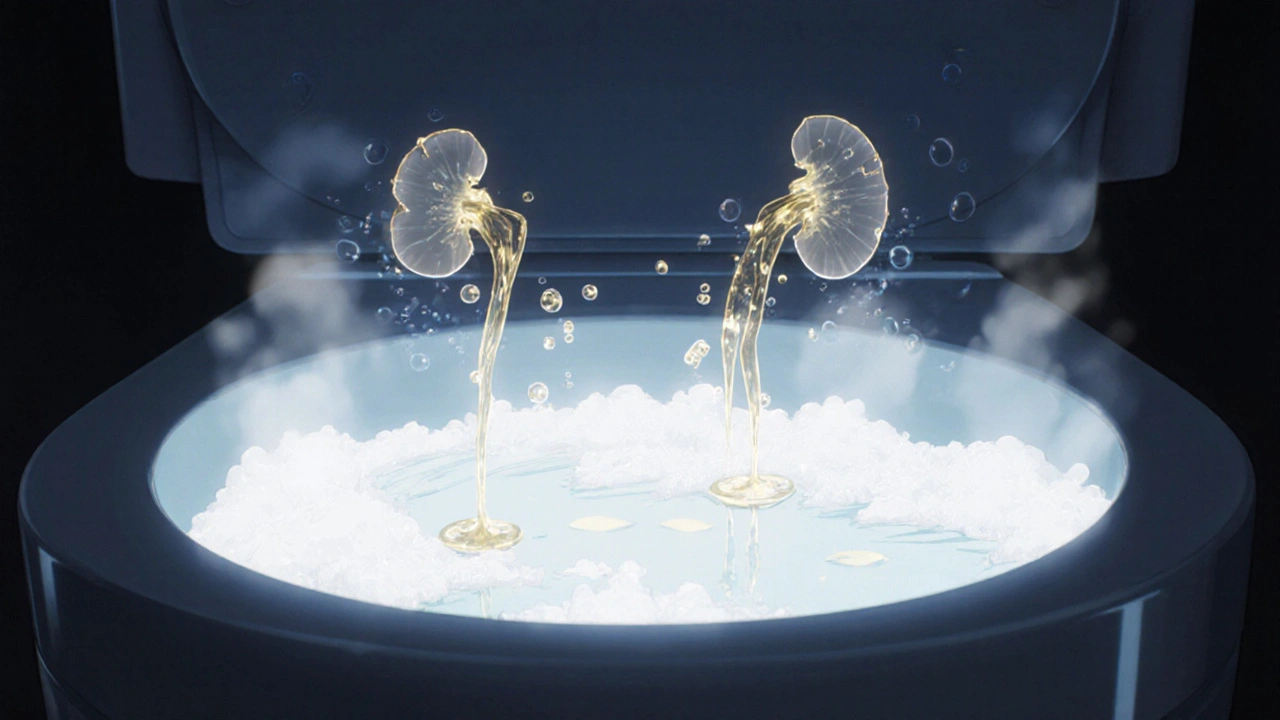
When your kidneys are working right, they keep albumin, a vital protein that helps maintain fluid balance and transport nutrients in your blood where it belongs—inside your bloodstream. But if albumin shows up in your urine, something’s wrong. That’s called albuminuria, the presence of abnormal amounts of albumin in the urine, often an early warning sign of kidney damage. It’s not a disease itself, but a signal. Think of it like a smoke alarm: it doesn’t mean there’s a fire, but if it’s going off, you need to check the house.
Most often, albuminuria shows up because of long-term damage from diabetes, a condition where high blood sugar slowly harms the tiny filters in your kidneys or high blood pressure, which puts extra strain on kidney blood vessels over time. It’s also common in people with chronic kidney disease, a gradual loss of kidney function that can lead to dialysis or transplant if untreated. You won’t feel it at first. No pain. No swelling. That’s why doctors test for it during routine checkups—especially if you have diabetes, heart disease, or a family history of kidney problems.
Testing for albuminuria is simple. A urine sample checks for tiny amounts of protein. If it’s there, your doctor might order more tests—like a blood test for creatinine or an estimated glomerular filtration rate (eGFR)—to see how well your kidneys are filtering. Catching it early gives you a real shot at slowing or even stopping the damage. Lifestyle changes like cutting salt, controlling blood sugar, and quitting smoking can make a huge difference. Medications like ACE inhibitors or ARBs aren’t just for blood pressure—they’re often used to protect your kidneys, even if your pressure is normal.
What you’ll find in the posts below isn’t just theory. These are real-world stories and facts from people managing kidney health, drug interactions, and lab results. You’ll see how hypertension medications can protect your kidneys, how metformin affects kidney function over time, and why home hemodialysis becomes an option when things progress. There’s no panic here—just clear, practical info. If you’ve been told you have albuminuria, or if you’re worried you might, this collection gives you the next steps—without the fluff.