

Warfarin & NSAID Risk Evaluator
Select a medication and your profile factors to see the potential impact on your bleeding risk.
1. Select Pain Medication
2. High-Risk Factors
Risk Assessment: None
Please select a medication to see the analysis.
Primary Vulnerability
Select a drug to identify the most affected organ system.
Clinical Action
Consult your physician immediately. Consider a PPI for stomach protection and schedule an immediate INR check.
Taking a simple pain reliever while on a blood thinner might seem harmless, but it can lead to a medical emergency. If you are taking Warfarin is a vitamin K antagonist anticoagulant used to prevent and treat thromboembolic diseases, such as blood clots in the lungs or legs, adding a common over-the-counter painkiller to your routine can be a dangerous game. The reality is that combining this medication with certain painkillers doesn't just slightly increase your risk-it can double it or even quadruple it depending on the drug.
For millions of people managing atrial fibrillation or previous clots, the urge to treat a headache or joint pain with something quick is strong. However, the interaction between Warfarin and NSAIDs (Nonsteroidal Anti-inflammatory Drugs) creates a perfect storm in your bloodstream. You aren't just dealing with one mechanism of blood thinning; you're attacking the clotting process from two different angles at once. This can lead to internal bleeding that you might not notice until it becomes a crisis.
Why this combination is so risky
To understand the danger, you have to look at how these drugs work. Warfarin works by blocking the vitamin K epoxide reductase complex. This stops your body from using vitamin K to make clotting factors II, VII, IX, and X. Essentially, it slows down the chemical reaction that creates a clot.
On the other hand, NSAIDs, such as ibuprofen or naproxen, work differently. They inhibit an enzyme called COX (cyclooxygenase). This doesn't just reduce inflammation; it impairs the function of your platelets, which are the first responders that plug a leak in a blood vessel. When you take both, you have a "double hit": your platelets can't stick together, and your coagulation factors can't build a stable clot. It's like trying to fix a leaking pipe with a sponge that won't absorb water and glue that won't dry.
Beyond the blood itself, NSAIDs are notorious for irritating the lining of the stomach. They reduce the protective mucus in your gut, making it easier for small ulcers to form. With Warfarin in your system, a tiny stomach irritation that would normally heal on its own can turn into a massive gastrointestinal bleed.
Measuring the danger: Which painkillers are worst?
Not all NSAIDs are created equal. While all of them increase the risk, some are significantly more aggressive than others. Research from Aarhus University Hospital shows that the type of pill you choose drastically changes the odds of a bleeding event. For instance, naproxen is far more dangerous in this context than ibuprofen.
| NSAID Type | Bleeding Risk Increase | Primary Concern |
|---|---|---|
| Naproxen | 4.1x higher | Highest overall hemorrhage risk |
| Diclofenac | 3.3x higher | Severe systemic risk |
| Ibuprofen | 1.79x higher | Moderate but significant risk |
| Celecoxib (COX-2) | ~2.0x higher | Similar GI risk to traditional NSAIDs |
You might wonder if "selective" inhibitors like Celecoxib are a safer bet. For a while, people thought COX-2 inhibitors would protect the stomach. However, the data shows that the risk of major bleeding still nearly doubles. Whether the drug is a traditional NSAID or a newer COX-2 variant, the danger remains high.
Where does the bleeding happen?
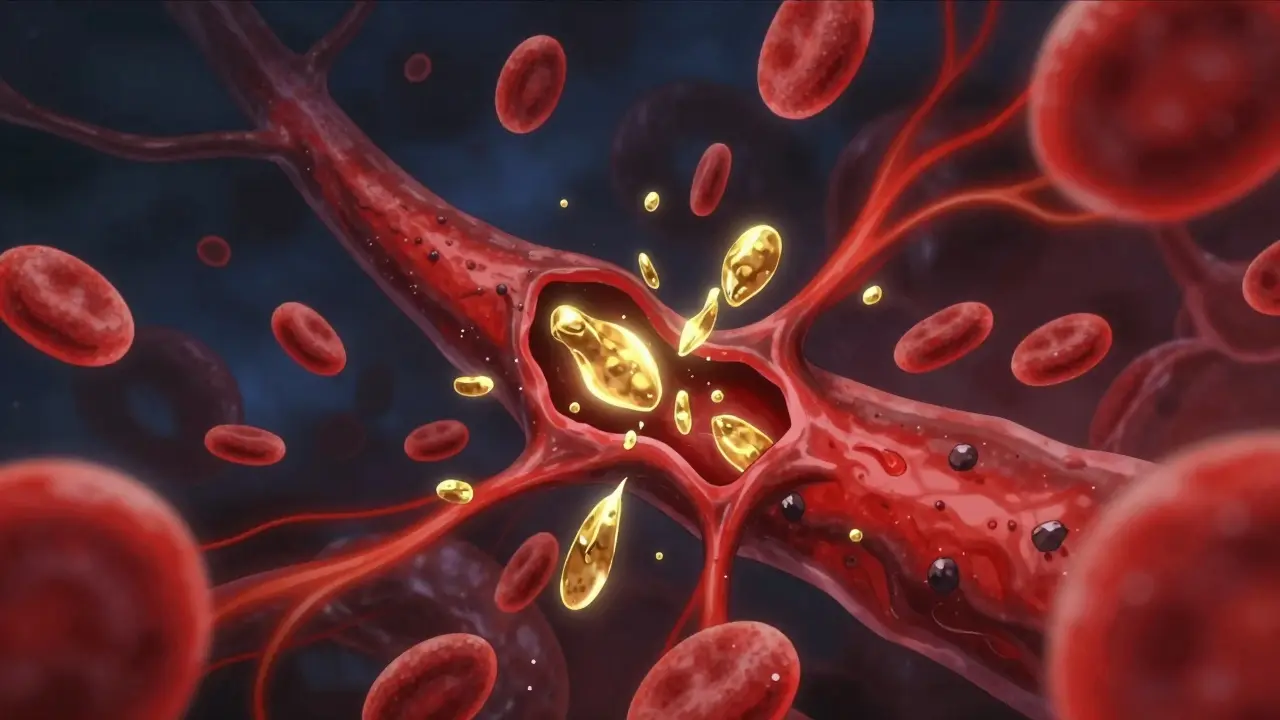
When people think of bleeding risks, they usually think of a cut that won't stop. But the real danger of the Warfarin and NSAIDs interaction is internal. The risk is spread across several organ systems, and some are far more vulnerable than others.
- The Brain: Intracranial bleeding is the most terrifying outcome. The risk increases by 3.22-fold when combining these drugs. A brain bleed can happen without any warning and is often fatal or permanently disabling.
- The Gut: Gastrointestinal bleeding is the most common. The risk increases 2.24-fold. This often manifests as "coffee ground" vomit or black, tarry stools.
- The Urinary Tract: Blood in the urine increases by 1.57-fold.
- The Lungs: Pulmonary bleeding risk increases by 1.36-fold.
This shows that the interaction isn't just about your stomach; it's a systemic failure of your body's ability to stop leaks anywhere.
Red flags and risk factors
Some people are more prone to this interaction than others. If you're in a high-risk group, the chance of your INR (International Normalized Ratio) spiking-which measures how long it takes your blood to clot-is much higher. A study of warfarin users found that nearly 40% experienced an INR increase of 15% or more after adding an NSAID.
You are at a higher risk if you fit these profiles:
- High Maintenance Dose: If you take more than 40mg of warfarin per week, your system is more sensitive.
- Age: Those over 75 years old face a 3.7 times higher risk of bleeding.
- Polypharmacy: If you are taking several other medications, they may interfere with how your liver processes these drugs, amplifying the effect.
- Specific Drug Choice: As mentioned, using meloxicam or naproxen creates a sharper spike in risk.
What to do instead of taking NSAIDs
If you have a headache or a sore back, the instinct is to reach for the bottle in the medicine cabinet. But for those on Warfarin, that bottle could be a liability. There are safer ways to manage pain that don't mess with your clotting factors.
Acetaminophen (the active ingredient in Tylenol) is generally the go-to alternative. It doesn't inhibit platelets or irritate the stomach lining in the same way NSAIDs do. While high doses of acetaminophen can sometimes affect INR, it is vastly safer than ibuprofen or aspirin. Topical analgesics-like creams or gels-are also gaining popularity because they deliver pain relief directly to the joint without entering the bloodstream in large quantities.
If you absolutely must use an NSAID for a severe condition, it should only be under a doctor's strict supervision. This usually involves using a proton pump inhibitor (PPI) to protect the stomach and getting your INR checked every few days to ensure your blood isn't becoming too thin to be safe.

The danger of "Modern" alternatives
There is a common misconception that newer blood thinners-known as NOACs (Novel Oral Anticoagulants) like apixaban or rivaroxaban-are safe to take with NSAIDs. This is a dangerous myth. While these drugs work differently than warfarin (they target specific factors like Factor Xa instead of blocking vitamin K), the end result is the same: your blood doesn't clot.
Data shows that co-prescribing NSAIDs with NOACs has actually increased by nearly 35% in recent years. Even though the bleeding risk might be slightly different than with warfarin, the danger of a major gastrointestinal or intracranial bleed remains significant. No matter which anticoagulant you use, the rule remains: avoid NSAIDs unless your doctor tells you otherwise.
Can I take a single dose of ibuprofen with Warfarin?
Even a single dose can increase the risk of gastrointestinal bleeding because NSAIDs immediately affect platelet function and the stomach lining. It is strongly recommended to use acetaminophen instead. If you have already taken one, monitor yourself for any unusual bruising or dark stools and contact your doctor.
What are the warning signs of an interaction?
Look for "hidden" bleeding. This includes nosebleeds that won't stop, bleeding gums when brushing teeth, large unexplained bruises (hematomas), or pink/red urine. The most serious signs are black, tarry stools or vomiting material that looks like coffee grounds, which indicate internal stomach bleeding.
Why is naproxen more dangerous than ibuprofen?
Naproxen has a longer half-life, meaning it stays in your system much longer than ibuprofen. This leads to a more prolonged inhibition of platelets and a more sustained attack on the stomach lining, which significantly increases the window of time where a bleed can occur.
Does a COX-2 inhibitor like Celebrex reduce the risk?
Not significantly. While COX-2 inhibitors were designed to be easier on the stomach, studies show they still carry a roughly 2-fold increase in bleeding risk when combined with warfarin. They are not considered a "safe" alternative for blood thinner users.
What should I do if my doctor prescribed both?
Ask your doctor if there is a safer alternative, such as acetaminophen or a topical cream. If the NSAID is absolutely necessary, ensure you are on a stomach-protecting medication (like a PPI) and request a schedule for more frequent INR blood tests to monitor your clotting levels.
Next steps for safety
If you are currently taking Warfarin and find yourself needing pain relief, your first move should be to check the active ingredients of any over-the-counter drug. Look for labels that say "NSAID" or list ibuprofen, naproxen, or aspirin-avoid these. Instead, look for acetaminophen.
For those who have already started a combination of these drugs, don't stop your Warfarin abruptly, as that could lead to a stroke or clot. Instead, call your clinic and ask for an immediate INR check. If you notice any signs of bleeding, such as blood in your stool or a sudden, severe headache, head to the emergency room immediately. Being proactive about your INR levels and honest with your doctor about every pill you take is the only way to stay safe on a blood thinner.