When we talk about MAOIs, monoamine oxidase inhibitors are a class of antidepressants that work by blocking an enzyme that breaks down brain chemicals like serotonin, norepinephrine, and dopamine. Also known as monoamine oxidase inhibitors, they were among the first drugs developed to treat depression—but they come with strict rules and serious risks that make them a last-resort option today.
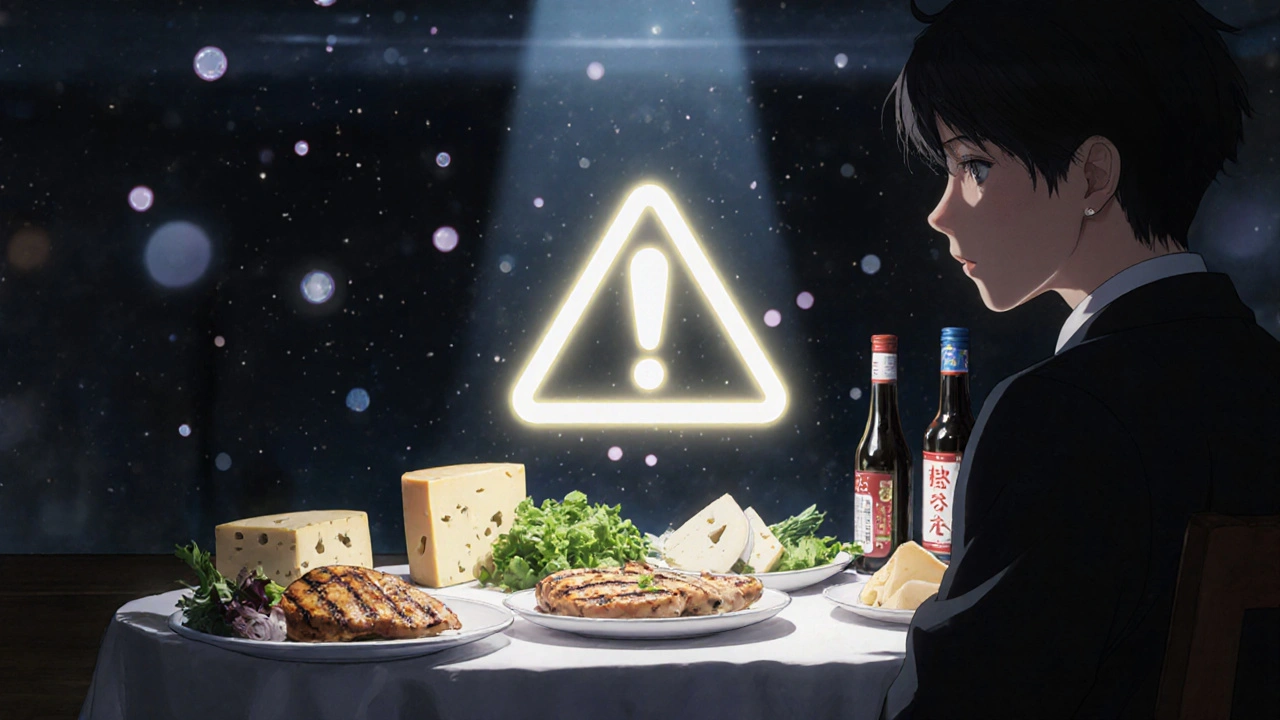
MAOIs don’t just affect your mood—they affect how your body handles food, other meds, and even some supplements. If you’re on one, you can’t safely eat aged cheeses, cured meats, or drink red wine without risking a dangerous spike in blood pressure. Mixing them with common painkillers, cold medicines, or even St. John’s wort can trigger serotonin syndrome, a life-threatening condition caused by too much serotonin in the brain, leading to confusion, rapid heart rate, and muscle rigidity. And if you’re taking antidepressants, like SSRIs or SNRIs, which also raise serotonin levels, switching between them and MAOIs requires a waiting period of weeks to avoid overdose in your brain chemistry.
That’s why most doctors won’t start you on an MAOI unless you’ve tried at least two other antidepressants and they didn’t work. But for some people—with treatment-resistant depression, panic disorder, or social anxiety—MAOIs can be the only thing that brings real relief. The key is knowing the rules: no tyramine-rich foods, no unsafe drug combos, and never stopping suddenly. If you’re on one, your pharmacist needs to know every pill, supplement, and OTC medicine you take. Even a simple decongestant can turn dangerous.
The posts below cover real-world scenarios where MAOIs show up in the bigger picture of medication safety. You’ll find guides on how antidepressants interact with blood thinners, why some drugs can’t be taken with alcohol, and how to spot dangerous side effects before they become emergencies. Whether you’re on an MAOI, know someone who is, or just want to understand why some meds come with warning stickers that look like they’re from a nuclear lab—this collection gives you the facts without the fluff.