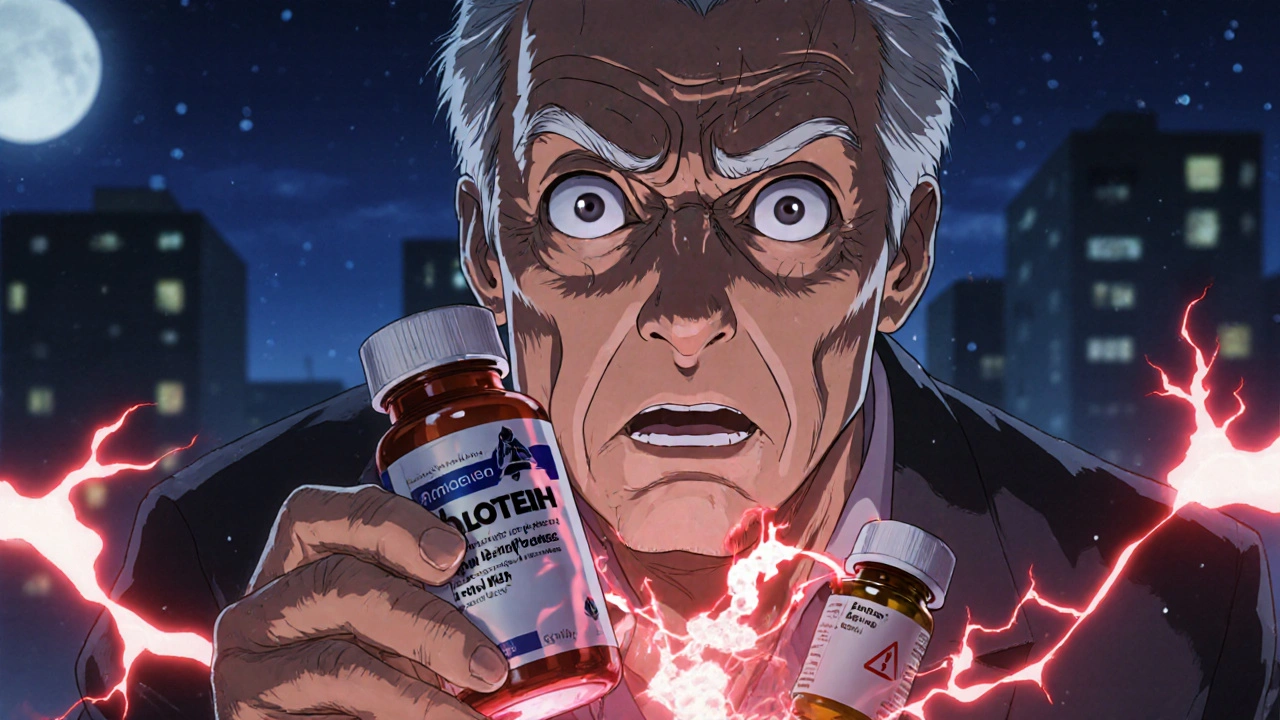
When you take an ACE inhibitor, a class of medications used to treat high blood pressure and heart failure by relaxing blood vessels. Also known as angiotensin-converting enzyme inhibitors, these drugs include common names like lisinopril, enalapril, and ramipril. They work by blocking a specific enzyme that narrows arteries, helping your blood flow more easily. But what many don’t realize is that ACE inhibitor interactions can turn a safe treatment into a serious health risk.
One of the biggest dangers comes from combining ACE inhibitors with potassium supplements, products that raise blood potassium levels to support muscle and nerve function.potassium salts. ACE inhibitors already cause your body to hold onto potassium. Add extra potassium from a supplement, salt substitute, or even large amounts of bananas and spinach, and your levels can spike dangerously high. This isn’t just theoretical—hospitals see cases where people with kidney issues end up in cardiac arrest because of this combo. The same goes for nonsteroidal anti-inflammatory drugs (NSAIDs), pain relievers like ibuprofen and naproxen that reduce inflammation and swelling.NSAIDs. Taking them with an ACE inhibitor can crash your kidney function, especially if you’re older or already have reduced kidney output. It’s not just about feeling worse—it’s about irreversible damage.
Another hidden risk is mixing ACE inhibitors with diuretics, water pills that help your body get rid of extra fluid.water pills, especially when started too quickly. That initial drop in blood pressure can be too sharp, leading to dizziness, falls, or even fainting. And if you’re on lithium, a mood stabilizer used for bipolar disorder.lithium carbonate, ACE inhibitors can cause lithium to build up in your blood to toxic levels. You might not feel it at first, but over time, it can cause tremors, confusion, or seizures. Even aliskiren, another blood pressure drug that works similarly to ACE inhibitors.direct renin inhibitor shouldn’t be taken with them—this combo is officially warned against by the FDA because it raises the risk of kidney problems, low blood pressure, and high potassium without adding much benefit.
These aren’t just textbook warnings—they show up in real life. People on ACE inhibitors who start taking garlic supplements for heart health, or switch to a low-sodium diet with potassium-rich salt replacements, don’t always connect the dots. Pharmacists scan prescriptions, but if you’re taking something over the counter or from a friend’s cabinet, no system catches it. That’s why reading your prescription label matters, and why asking your doctor or pharmacist about every pill you take—even vitamins—isn’t being paranoid, it’s being smart.
Below, you’ll find real stories and clear guides on how these interactions play out in practice. From how a simple OTC painkiller can wreck your kidneys to why your morning banana might be riskier than you think, these posts give you the facts without the fluff. No jargon. No guesswork. Just what you need to know to take your meds safely.