

Safety Update Time Calculator
Time Difference Calculator
See how much faster QR codes provide critical safety information compared to traditional label updates.
Scan results will appear here
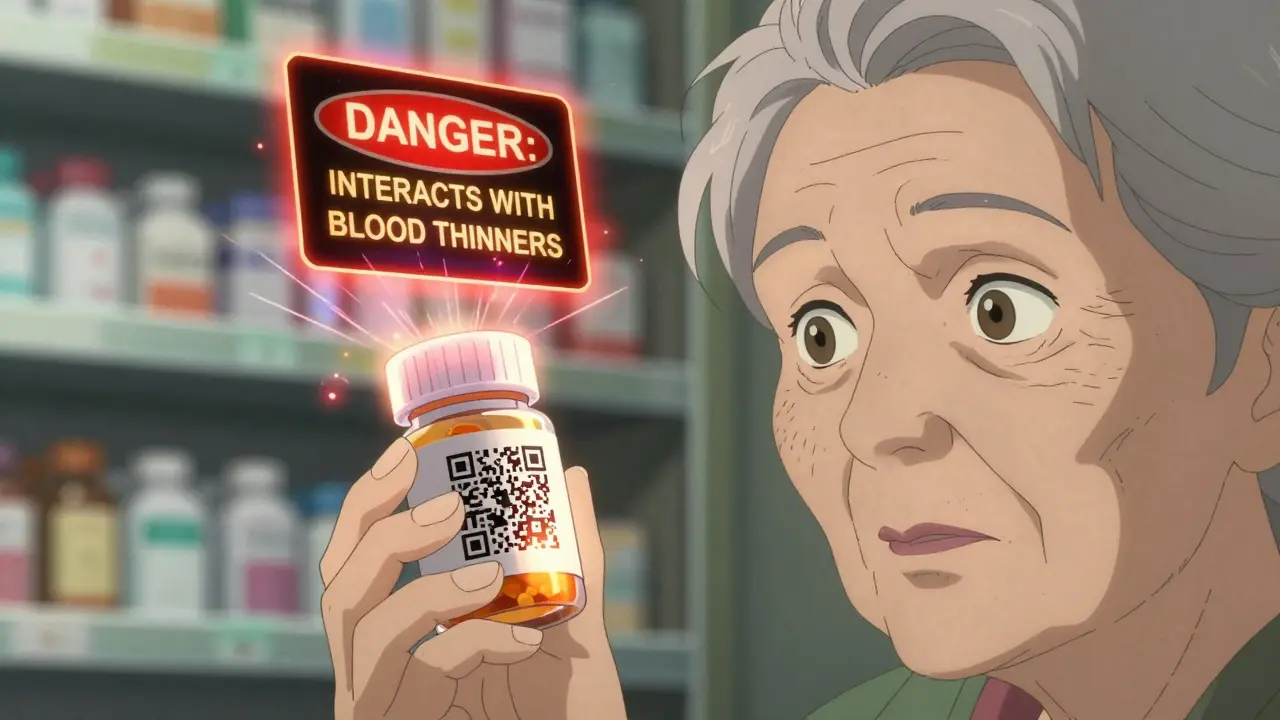
Imagine you’re holding a pill bottle. The label says one thing, but the FDA just issued a new warning - a black box alert - about a dangerous interaction. That warning isn’t on the label yet. It could take months for the printed information to change. By then, someone might have taken the drug and suffered harm. Now imagine scanning a QR code on that same bottle, and instantly seeing the latest safety update. No waiting. No confusion. Just the truth, right now.
Why Static Labels Are No Longer Enough
For decades, drug labels were printed in stone. Once a bottle left the factory, the information on it was fixed. If a new side effect showed up, or a drug interaction was discovered, manufacturers had to reprint entire batches of labels. That process could take 6 to 18 months, depending on the country and regulatory approvals. In the meantime, patients and doctors were working with outdated info. In 2023 alone, global regulators issued 225 new black box warnings - the most serious type of safety alert. These aren’t small notes. They’re life-or-death changes: avoid alcohol, don’t mix with blood thinners, risk of sudden heart failure. Printing these updates on every bottle isn’t practical. It’s expensive. It’s slow. And it’s dangerous. QR codes on drug labels solve this. Instead of relying on ink, they connect to a live database. When a new warning is approved, the content behind the QR code updates in hours. Not months. Not weeks. Hours. That’s the difference between reactive labeling and real-time safety.How QR Codes Actually Work on Medications
These aren’t simple static codes like the ones on pizza coupons. Pharmaceutical QR codes are dynamic. They’re linked to secure cloud servers that host the latest prescribing information, safety alerts, and patient leaflets. When you scan one, you’re not opening a PDF someone uploaded last year. You’re pulling the most current version - verified, approved, and timestamped. The system works like this:- A drug manufacturer updates the safety info in a central system.
- The update is reviewed and approved by regulators.
- Within hours, the QR code on every bottle - whether it was made yesterday or six months ago - points to the new content.
- Scanners (patients, pharmacists, nurses) get the latest version, no matter when the bottle was printed.
Who Benefits the Most?
Patients get clearer, more accurate instructions. Complex regimens - like taking five pills at different times with food restrictions - become easier to follow. A 2024 study found that after QR codes were introduced on discharge medications, patient understanding improved by 40%. That’s not a small number. It means fewer mistakes. Fewer hospital readmissions. Fewer deaths. Pharmacists benefit too. Instead of flipping through thick paper leaflets to find a rare interaction, they scan the code and get the answer in seconds. One pharmacist on Reddit wrote: “We used to spend 10 minutes digging through manuals. Now we scan, explain, and move on. Patients appreciate it.” Healthcare systems save money. Medication errors cost the U.S. health system over $21 billion a year. Real-time updates reduce those errors. And for drug companies, it cuts costs. No more reprinting millions of labels. No more shipping old versions overseas. No more lawsuits from outdated warnings.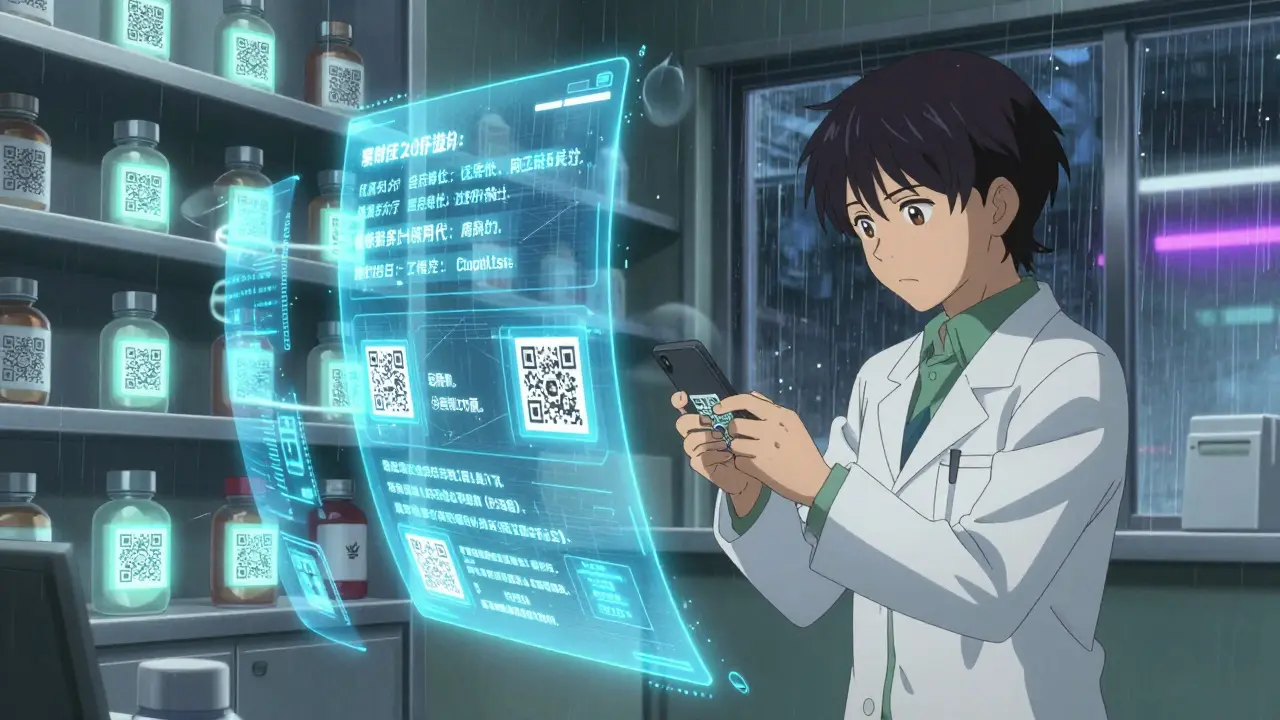
The Big Catch: Not Everyone Has a Smartphone
This is the hard part. QR codes are great - if you have a phone, a working camera, and internet access. But millions of people don’t. Elderly patients. Rural communities. Low-income households. Refugees. People without smartphones. People too afraid to scan something on a pill bottle. In a 2024 survey of rural clinics, 60% of elderly patients couldn’t access QR code info because they didn’t own a smartphone or didn’t know how to use one. That’s not a tech problem. That’s a justice problem. Regulators and manufacturers are aware. That’s why the best implementations don’t replace printed labels - they enhance them. The FDA and EMA now recommend a hybrid model: printed safety info stays on the package, and the QR code adds the latest updates. Pharmacies also offer scanning help. Staff can scan the code for you, read it aloud, print a copy. The goal isn’t to leave people behind. It’s to give everyone the option - the choice - to get the most current info, if they can.Global Adoption: Who’s Leading?
Spain was the first to approve QR codes on drug labels in 2021. The UK followed in 2024, updating its pharmaceutical code to allow QR links to up-to-date prescribing info. The European Federation of Pharmaceutical Industries and Associations (EFPIA) is now pushing for continent-wide adoption. In the U.S., the FDA hasn’t mandated QR codes yet - but they’re watching. Military pharmacies started using them in 2022. Several major drugmakers, including Pfizer and Merck, have begun pilot programs. The trend is clear: regulators want dynamic labeling. The only question is when it becomes law. Asia and Africa are slower to adopt, not because of resistance, but because of infrastructure. Reliable internet, smartphone penetration, and digital literacy vary widely. But pilot programs in India and South Africa are showing promising results, especially for tracking counterfeit drugs - a huge problem in those regions.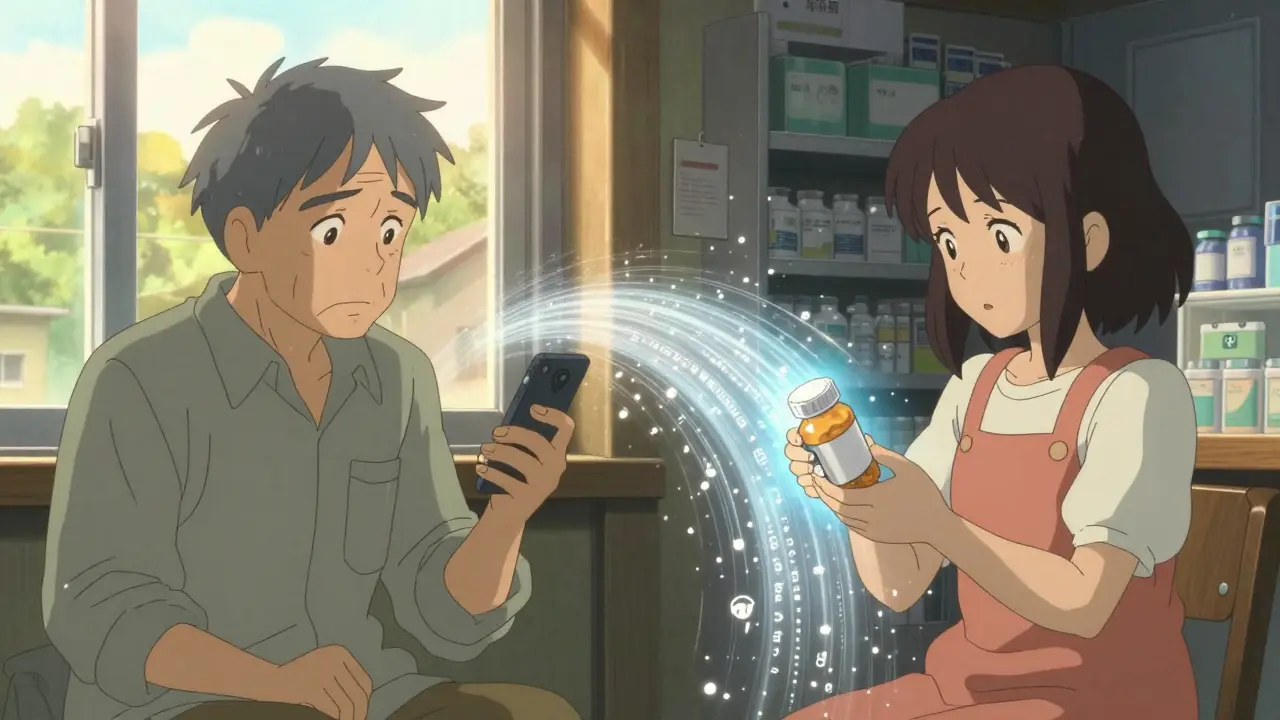
What’s Next? AI, Apps, and Integration
The next step isn’t just scanning a code. It’s connecting that code to your health ecosystem. Platforms like DosePacker’s MyDoses app already let you scan a QR code and add the medication to your personal pill tracker. It sets reminders. Checks for interactions with your other drugs. Sends alerts if a safety update affects you. In the future, QR codes could trigger automated alerts to your doctor’s EHR system. If a new warning is issued for a drug you’re taking, your doctor gets notified. No waiting for you to call. No hoping you read the label. Artificial intelligence is being used to detect safety signals faster. If 500 people report the same side effect after scanning a QR code, the system flags it automatically. That means warnings can be issued even faster - not just in hours, but in minutes.Challenges That Still Exist
It’s not perfect. Here’s what’s still broken:- Standardization: No global format for QR codes. One company’s code looks different from another’s. Patients get confused.
- Privacy: Scan logs must comply with HIPAA and GDPR. Who owns the data? Can it be sold?
- Access: If you don’t have a phone, you’re stuck with outdated info. Hybrid solutions help, but aren’t universal.
- Trust: Some patients worry the QR code is a scam. They fear malware or phishing. Clear branding and secure domains (like .pharma or official company sites) are critical.
Final Thought: It’s Not Just Technology. It’s Trust.
QR codes on drug labels aren’t just a tech upgrade. They’re a shift in how we think about safety. For too long, patients were expected to remember what a label said months ago. Now, the system remembers for them. It updates automatically. It adapts. The real win isn’t the code. It’s the promise: you’ll always have the right information, when you need it. Not when the printer rolls out the next batch. Not when the pharmacy restocks. Right now. That’s the future. And it’s already here - for those who can scan it.Are QR codes on drug labels safe to scan?
Yes. Pharmaceutical QR codes link only to secure, encrypted websites owned by the drug manufacturer or approved regulatory partners. They don’t download apps or ask for personal data. The link always ends in a trusted domain like .pharma, .com, or a hospital system URL. If the URL looks suspicious, don’t scan it - but legitimate ones are verified by regulators.
Do I need an app to scan a QR code on a drug label?
No. Most modern smartphones can scan QR codes using the built-in camera app. Just open your camera, point it at the code, and wait for a notification. No downloads needed. If your phone doesn’t auto-detect it, download a free QR scanner from your app store - but avoid ones asking for permissions like contacts or location.
What if I don’t have a smartphone?
Printed safety information will still be on every drug package. QR codes are meant to supplement, not replace, printed labels. If you can’t scan it, ask your pharmacist. They can scan it for you, read the update aloud, and print a copy. Many pharmacies now offer this as a free service.
Can QR codes be faked or hacked?
It’s possible to print a fake QR code, but not to fake the content behind it. Legitimate drug labels use tamper-proof packaging and unique codes tied to lot numbers. If you scan a code and the website says the batch was recalled, that’s real. If the site looks unprofessional or asks for payment, it’s fake. Always check the URL - it should match the drugmaker’s official site.
Why aren’t QR codes mandatory everywhere yet?
Regulators are moving slowly because they need to ensure equity. Not everyone has a phone or internet. Also, global standards aren’t fully aligned. The U.S. FDA is reviewing pilot data, while the EU is pushing for unified rules. Change takes time - but adoption is accelerating. By 2027, most major drugmakers will likely be required to use QR codes in developed markets.