


When someone with multiple sclerosis (MS) experiences a sudden worsening of symptoms, it’s natural to panic. Did the disease just take another step forward? Or is this something temporary-something you can fix? The difference between a relapse and a pseudorelapse isn’t just semantics. It’s the difference between starting a course of powerful steroids and simply resting, cooling down, or treating an infection. Misunderstanding this can lead to unnecessary treatment, serious side effects, and real harm.
What Exactly Is a True MS Relapse?
A true MS relapse, also called an exacerbation or flare-up, happens when there’s new inflammation in the central nervous system. This inflammation damages the myelin sheath-the protective coating around nerve fibers-leading to new or worsening neurological symptoms. These symptoms aren’t caused by heat, stress, or infection. They’re caused by your immune system attacking your own nerves. To count as a true relapse, symptoms must last at least 24 to 48 hours and occur at least 30 days after a previous episode. If your leg feels weak for two days after a fever, that’s probably not a relapse. But if your vision blurs for five days with no obvious trigger, and you haven’t had a flare-up in months? That’s likely a real one. MRI scans during a true relapse often show new lesions or areas where the blood-brain barrier has broken down. These are signs of active inflammation. Symptoms can vary widely: blurred vision, numbness, trouble walking, bladder control issues, or even difficulty speaking. The severity depends on where the damage occurs. A relapse in the cerebellum might cause dizziness and loss of coordination, while one in the spinal cord could lead to leg weakness or paralysis.Pseudorelapse: When Symptoms Lie
A pseudorelapse looks just like a relapse-but it’s not. No new damage. No new inflammation. Just a temporary breakdown in how already damaged nerves can send signals. Think of it like a frayed electrical wire. The wire is already broken in places. When you turn up the heat or stress the system, the signal gets worse. But when you cool it down or remove the stress, the signal improves again. That’s a pseudorelapse. The most common triggers? Infections, heat, and stress. Urinary tract infections (UTIs) are the #1 culprit, triggering about 67% of pseudorelapses. A fever from the flu or pneumonia can do the same. Even a hot shower or a summer day can push body temperature just high enough to make symptoms worse. This heat sensitivity is called Uhthoff’s phenomenon-and it affects 60 to 80% of people who’ve had optic neuritis. Pseudorelapses usually last less than 24 hours. They come on fast, often during or right after an infection or heat exposure, and fade just as quickly once the trigger is gone. No new lesions show up on MRI. No new nerve damage occurs. And here’s the critical part: steroids won’t help.Steroids: When They Help-and When They Hurt
High-dose intravenous methylprednisolone (usually 1 gram per day for 3 to 5 days) is the standard treatment for true relapses. It works by calming the immune system’s attack on the nerves. Studies show that about 70 to 80% of patients see faster improvement with steroids, especially if symptoms affect mobility, balance, or bladder control. But here’s the catch: steroids do nothing for pseudorelapses. That’s because there’s no inflammation to stop. Giving steroids for a pseudorelapse doesn’t speed recovery. It just adds risk. Side effects from IV steroids are real and common. About 25% of patients develop high blood sugar. Around 40% have trouble sleeping. Mood swings, anxiety, and even hallucinations happen in 1 in 3 cases. One nurse on a patient forum described a patient who developed steroid-induced psychosis after being wrongly treated for a UTI-triggered pseudorelapse. That patient ended up in the hospital. The National MS Society estimates that in the U.S. alone, inappropriate steroid use for pseudorelapses costs over $12 million every year. That’s money spent on hospital visits, side effect management, and unnecessary procedures-all because the trigger wasn’t recognized.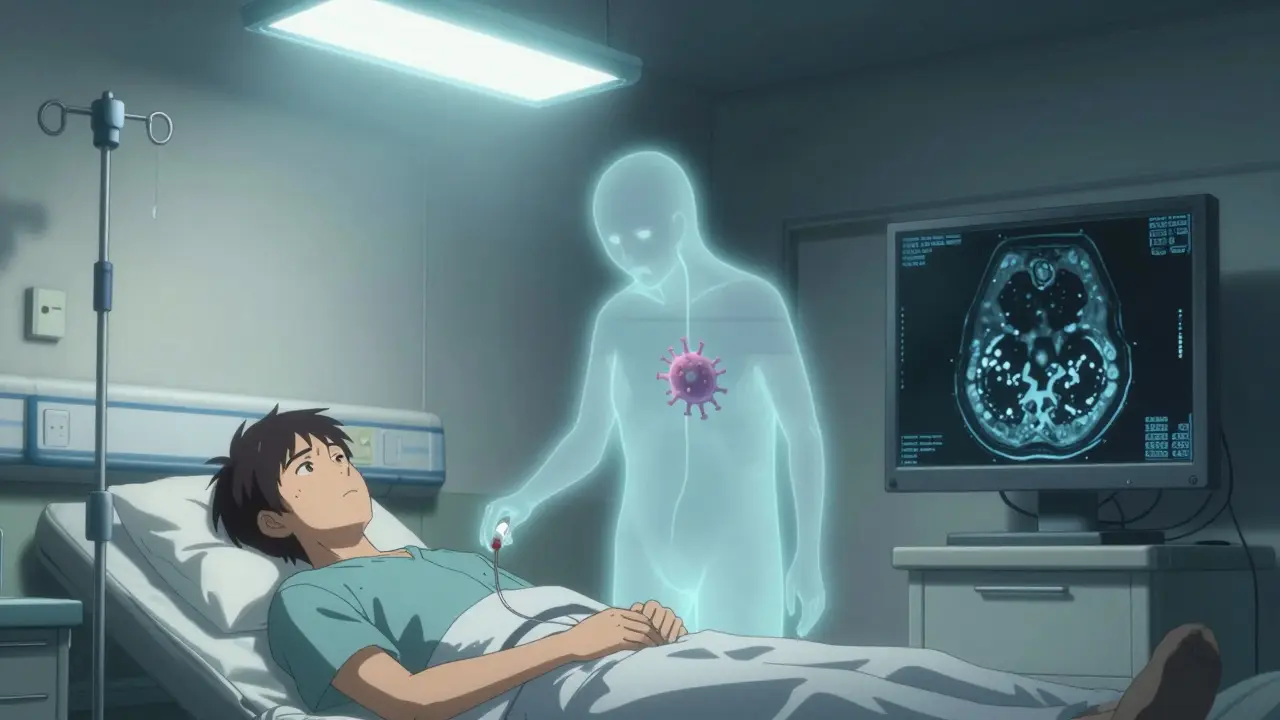
How to Tell the Difference: A Practical Guide
There’s no single test. But you can narrow it down with a few simple steps:- Check the duration. Did symptoms last more than 48 hours without a clear cause? If yes, it’s more likely a true relapse.
- Look for triggers. Did you have a fever? A UTI? A long day in the sun? A stressful week? If so, the worsening is probably temporary.
- Check your temperature. A body temperature above 37.8°C (100°F) is a red flag for pseudorelapse. Even a low-grade fever can trigger symptoms.
- Do a urine test. UTIs are the most common trigger. A simple dipstick test can rule this out in minutes.
- Review your MRI history. If you’ve had an MRI in the last few months and it showed no new lesions, a new symptom is more likely a pseudorelapse.
Patients who keep a symptom diary-tracking daily temperature, infections, stress levels, and activity-can spot patterns. One man on MyMSTeam noticed every time he got a cold, his foot dragged for a day. He started treating his colds early and stopped having “relapses.”
Who’s Most at Risk for Mistakes?
Newly diagnosed patients often mistake pseudorelapses for relapses. So do primary care doctors who don’t specialize in MS. Studies show general neurologists correctly identify pseudorelapses 60% of the time. Primary care physicians? Only 45%. But the real problem? Patients aren’t taught how to recognize triggers. A survey of MS patients found that 37% said they were never properly educated about heat sensitivity or infection risks. That’s a gap in care. Older patients with long-standing MS are especially vulnerable. Their nerves are already heavily damaged. A small trigger-like a urinary infection or a hot bath-can knock them off balance for days. But because they’ve had MS for so long, doctors sometimes assume every symptom change is disease progression. That’s not true. It’s still likely a pseudorelapse.
What Should You Do Instead of Reaching for Steroids?
If you suspect a pseudorelapse, here’s what actually helps:- Treat the infection. Antibiotics for a UTI, rest for a cold, hydration for a fever.
- Cool down. Use cooling vests, air conditioning, cold drinks, or wet towels. Avoid hot showers, saunas, or exercising in high heat.
- Rest. Fatigue makes symptoms worse. A nap or a quiet day can make all the difference.
- Check your electrolytes. Low sodium (below 135 mmol/L) or high sodium (above 145 mmol/L) can trigger symptoms. A simple blood test can rule this out.
One woman, MSWarrior2020, shared how her leg weakness vanished within two hours after using a cooling vest during a heatwave. No steroids. No ER visit. Just smart management.
Tools and Advances on the Horizon
New tools are making it easier to tell the difference. The MS-Relapse Assessment Tool (MS-RAT), validated in 2023, uses symptom duration, temperature, and functional impact to give a probability score. With 92% sensitivity and 88% specificity, it’s becoming a standard in MS clinics. Telemedicine platforms like MS Selfie let patients record video of their symptoms and upload them for remote review. Early results show 78% accuracy in distinguishing relapses from pseudorelapses. Future research is looking at blood biomarkers-like neurofilament light chain-that spike during true inflammation but stay normal during pseudorelapses. That could mean a simple blood test will soon replace MRIs for some cases.Final Takeaway
Not every worsening symptom means your MS is getting worse. Most of the time, it’s something else. A cold. A hot day. A UTI. A sleepless night. These aren’t signs of progression-they’re signs that your body is under stress. Steroids aren’t a cure-all. They’re a targeted tool for active inflammation. Use them only when necessary. Learn your triggers. Track your symptoms. Talk to your neurologist about what’s normal for you.The goal isn’t to avoid all symptom changes. It’s to avoid unnecessary treatment. And that starts with knowing the difference.
Can a pseudorelapse turn into a true relapse?
No. A pseudorelapse is not a precursor to a true relapse. It’s a separate phenomenon caused by temporary stress on damaged nerves, not by new inflammation. However, if you have a UTI or fever and your symptoms don’t improve after treating the trigger, you may be experiencing a true relapse happening at the same time. That’s why checking for triggers is essential before assuming a relapse.
Do steroids make pseudorelapses worse?
Steroids don’t make pseudorelapse symptoms worse, but they can cause serious side effects that make you feel worse overall. High blood sugar, insomnia, mood swings, and increased infection risk are common. In rare cases, steroid-induced psychosis has been reported in patients wrongly treated for pseudorelapses. Since pseudorelapses resolve on their own, the risks of steroids far outweigh any benefit.
Is Uhthoff’s phenomenon the same as a pseudorelapse?
Yes. Uhthoff’s phenomenon is a specific type of pseudorelapse triggered by heat. It’s named after Wilhelm Uhthoff, who first described it in the 1890s. Symptoms like blurred vision, muscle weakness, or fatigue get worse with increased body temperature and improve when you cool down. It affects 60 to 80% of people with MS who’ve had optic neuritis, but it can occur in anyone with damaged nerve pathways.
How long should I wait before seeing a doctor for worsening symptoms?
If symptoms last more than 48 hours and you’ve ruled out common triggers like fever, infection, or heat exposure, it’s time to see your neurologist. Don’t wait longer than a week. Early evaluation helps determine if you need an MRI, steroid treatment, or just supportive care. If you’re unsure, contact your care team-even a quick telehealth visit can help clarify whether it’s a relapse or pseudorelapse.
Can stress alone cause a pseudorelapse?
Yes. Psychological stress can trigger pseudorelapses in about 19% of cases, according to research. Stress raises cortisol and body temperature, which can interfere with nerve signaling in already damaged areas. While it doesn’t cause new damage, it can make existing symptoms feel much worse. Managing stress through sleep, mindfulness, or therapy can reduce these episodes.