

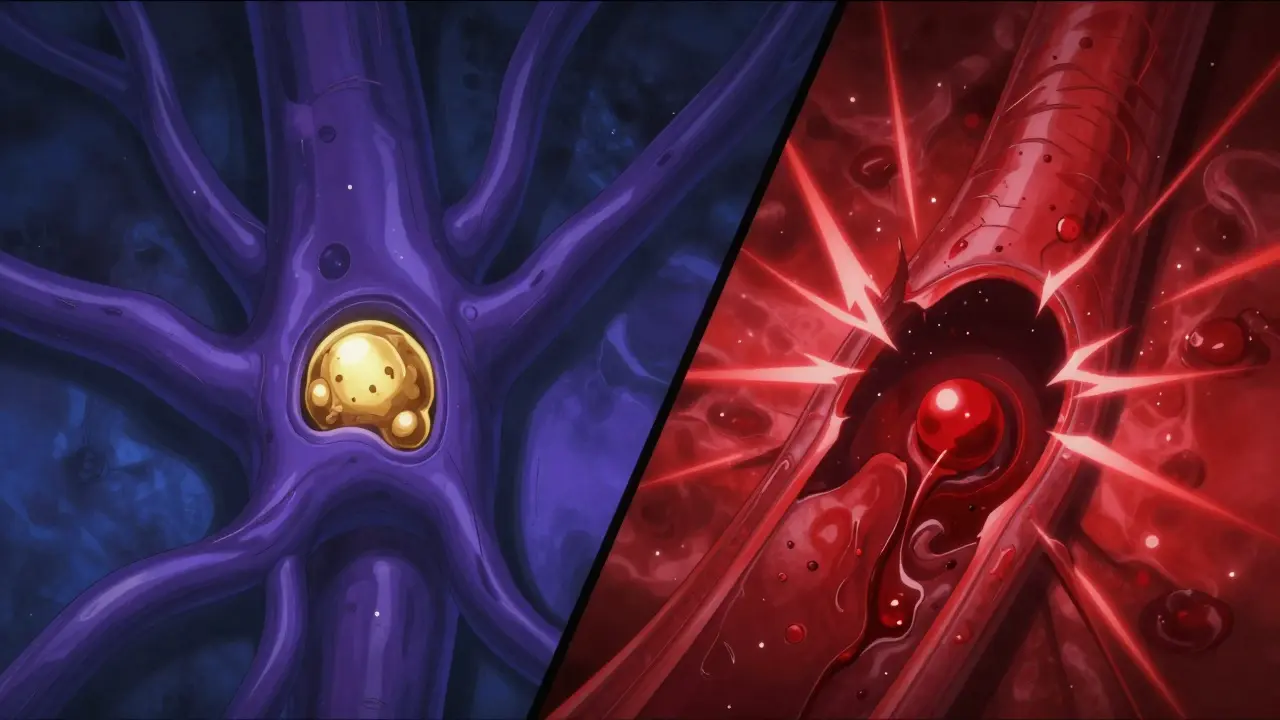
A stroke is a medical emergency that doesn't wait for a convenient time. When a brain isn't getting the oxygen it needs, cells start dying in minutes. But not every stroke is the same. In fact, treating a blockage as if it were a bleed-or vice versa-can be fatal. Understanding the difference between Ischemic Stroke is a type of stroke caused by a blockage in a blood vessel that prevents blood from reaching the brain and Hemorrhagic Stroke is a stroke caused by a ruptured blood vessel that bleeds into or around the brain is the first step in recognizing the signs and taking the right preventive measures.
Depending on the type, the symptoms can feel entirely different. Some people describe a gradual sliding into numbness, while others feel like a "thunderclap" hit them in the head. Because the treatment for one can be dangerous for the other, doctors rely on rapid imaging to figure out what's happening. Here is a detailed look at how these two types differ and how you can protect your brain.
The Breakdown: Ischemic vs. Hemorrhagic
The simplest way to think about it is "clot vs. leak." Most strokes-about 87% according to the CDC-are ischemic. These happen when a blood vessel is blocked, usually by a clot. If the blood can't get through, the brain tissue downstream begins to starve.
Hemorrhagic strokes are rarer, making up about 13-15% of cases, but they are often more dangerous. Instead of a blockage, a vessel actually bursts. This creates a double problem: the brain doesn't get blood where it needs it, and the leaking blood creates pressure that crushes healthy brain tissue.
| Feature | Ischemic Stroke | Hemorrhagic Stroke |
|---|---|---|
| Primary Cause | Blood clot / Blockage | Ruptured blood vessel |
| Prevalence | ~87% of cases | ~13-15% of cases |
| Onset Speed | Often gradual (minutes to hours) | Usually sudden and dramatic |
| Key Symptom | Numbness, speech loss | Severe "explosive" headache |
| Primary Risk | Atrial Fibrillation, Atherosclerosis | Chronic Hypertension (High Blood Pressure) |
Ischemic Stroke: The Different Ways Blood Flow Stops
Not all blockages are created equal. Depending on where the clot starts, ischemic strokes are categorized into a few main types. Thrombotic Stroke happens when a clot forms directly inside one of the brain's arteries, often due to a buildup of fatty deposits. These make up about half of all ischemic cases.
Then there are Embolic Stroke. In this scenario, the clot forms elsewhere in the body-often the heart-and travels through the bloodstream until it gets stuck in a narrow brain artery. This is why Atrial Fibrillation, an irregular heart rhythm, is such a massive red flag; it can increase the risk of an embolic stroke by 500%.
Finally, there are cryptogenic strokes, where the cause remains a mystery even after testing. These account for about 30% of cases, leaving doctors to focus on managing symptoms and preventing future occurrences without a clear "smoking gun."
Hemorrhagic Stroke: When a Vessel Bursts
Hemorrhagic strokes are typically divided by where the bleeding occurs. An Intracerebral Hemorrhage occurs when a blood vessel inside the brain tissue ruptures. This is most commonly caused by long-term, uncontrolled high blood pressure that weakens the artery walls over years until they finally give way.
A Subarachnoid Hemorrhage is a bleed that happens on the surface of the brain. These are frequently linked to Brain Aneurysms-weak spots in an artery wall that bulge out like a balloon and eventually pop. This type of stroke is often associated with that "worst headache of my life" feeling described by many survivors.
Recognizing the Warning Signs
While both types lead to brain damage, the early red flags can differ. In ischemic strokes, symptoms often creep in. You might notice a slight droop in your face or a feeling of heaviness in one arm that worsens over 20 minutes. In contrast, hemorrhagic strokes hit hard and fast. You are much more likely to experience a sudden, blinding headache, nausea, or an immediate loss of consciousness.
Regardless of the type, the FAST acronym is your best tool for quick action:
- Face: Does one side of the face droop when smiling?
- Arm: Does one arm drift downward when both are raised?
- Speech: Is the speech slurred or strange?
- Time: If any of these are present, call emergency services immediately.
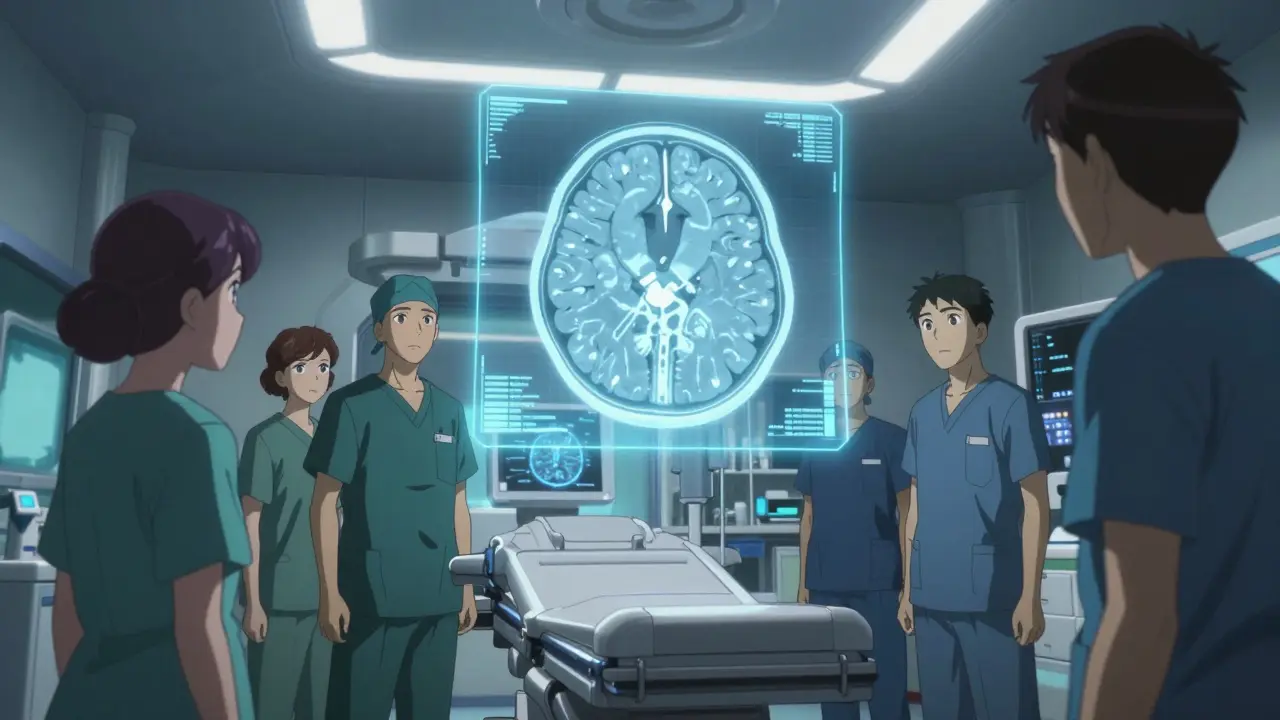
Time really is brain. For ischemic strokes, there are "clot-busting" medications like Tenecteplase or alteplase that can reverse the blockage, but they must be administered within a tight window (usually 3 to 4.5 hours). If you give these medications to someone having a hemorrhagic stroke, you could actually make the bleeding worse. This is why a CT Scan is the first thing doctors do in the ER-it's the only way to tell for sure which stroke is occurring.
How to Prevent a Stroke
The good news is that most strokes are preventable. However, the strategy depends on your specific risk factors. If you have heart issues like atrial fibrillation, your focus should be on preventing clots. Doctors often prescribe Anticoagulants (like apixaban or warfarin) to keep the blood thin, which can reduce stroke risk by as much as 60-70%.
If your primary concern is high blood pressure, the goal is different. The SPRINT trial showed that keeping your systolic blood pressure below 120 mmHg-rather than 140 mmHg-can lower your risk of a hemorrhagic stroke by 38%. This is the single most effective way to prevent a vessel from rupturing.
Beyond medication, lifestyle changes provide a powerful layer of defense:
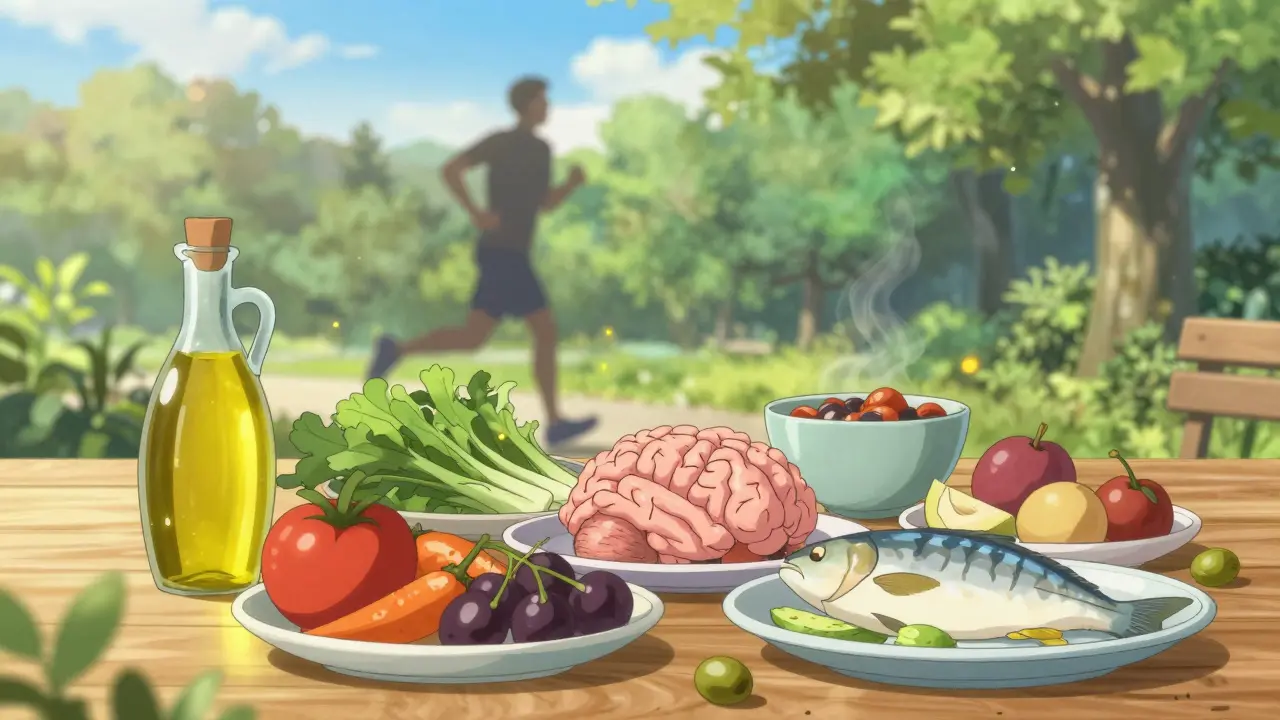
- The Mediterranean Diet: Focusing on healthy fats, fish, and vegetables has been shown to reduce overall stroke risk by 30%.
- Consistent Movement: Just 150 minutes of moderate exercise a week can cut your risk by 27%.
- Quit Smoking: Your risk of stroke drops by 50% within just one year of quitting.
Modern Treatments and Future Hope
Medical science is moving fast. For large ischemic blockages, a procedure called a Mechanical Thrombectomy allows surgeons to physically pull the clot out of the brain, often extending the treatment window up to 24 hours.
For those dealing with aneurysms (the cause of many hemorrhagic strokes), doctors now use Endovascular Coiling. This involves guiding a tiny coil through the arteries to fill the aneurysm and stop it from bursting, avoiding the need for invasive open-brain surgery in many cases.
Looking forward, we are seeing the rise of blood-based biomarkers. New research into proteins like GFAP suggests we might soon be able to distinguish between a bleed and a clot with a simple blood draw in under 15 minutes, potentially saving critical time before a patient even reaches the hospital.
Which type of stroke is more common?
Ischemic strokes are far more common, accounting for approximately 87% of all cases. Hemorrhagic strokes make up the remaining 13-15%.
Can a mini-stroke be a warning for a major one?
Yes. Often called a TIA (Transient Ischemic Attack), these are temporary blockages. While they don't cause permanent damage, they are a critical warning sign that a full-scale ischemic stroke may happen soon.
Why is high blood pressure so dangerous for the brain?
Chronic high blood pressure puts constant stress on the walls of your arteries. Over time, this makes the vessels weak and brittle, making them prone to bursting (hemorrhagic stroke) or allowing plaque to build up and rupture (ischemic stroke).
What is the difference between coiling and clipping for aneurysms?
Coiling is a minimally invasive procedure where a wire is fed through an artery to fill the aneurysm from the inside. Clipping is a surgical procedure where a metal clip is placed on the neck of the aneurysm to seal it off from the artery.
Does the Mediterranean diet actually help prevent strokes?
Yes, studies like the PREDIMED trial indicate that the Mediterranean diet-rich in olive oil, nuts, fruits, and vegetables-can reduce the risk of stroke by approximately 30% by improving vascular health and lowering inflammation.
What to Do Next
If you have a family history of stroke or heart disease, your first move should be a blood pressure check. If your numbers are consistently above 130/80, talk to your doctor about a management plan. For those with irregular heartbeats, ensure you are strictly adhering to any anticoagulant prescriptions, as missing doses can rapidly increase your risk of a clot.
Start a simple habit: learn the FAST signs and teach them to your family. In a crisis, the person most likely to save your life is the one who recognizes the symptoms first and calls 911 without hesitation. Remember, every minute saved during the initial response saves millions of neurons in the brain.