

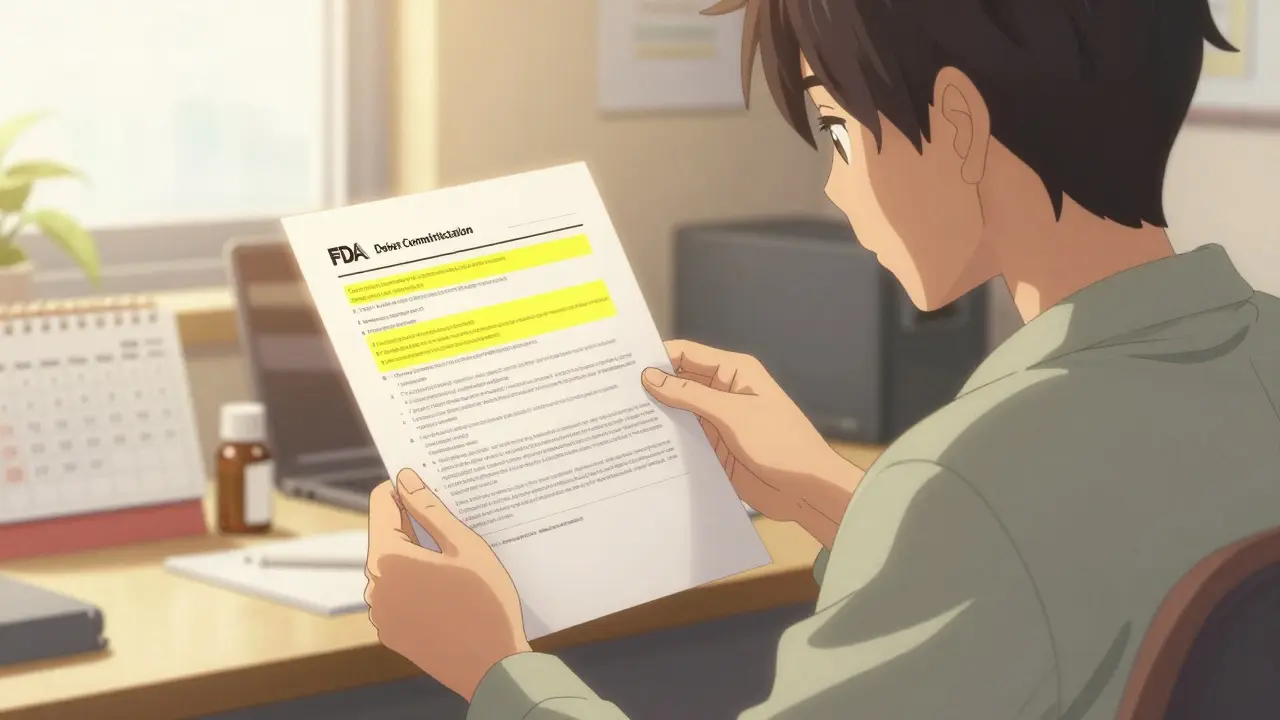
Each year, the drug safety alerts issued by the FDA catch many patients by surprise. These alerts aren't just scary headlines-they're critical updates about new risks for medications you take. But when you see one, how do you talk to your doctor about it? Many people worry they'll be dismissed or that it's not important. The truth is, knowing how to approach this conversation can make a big difference in your safety. This guide gives you clear steps to prepare, communicate effectively, and understand next steps.
What a Drug Safety Alert Really Means
The FDA Drug Safety Communications page provides detailed updates on medication risks. These alerts are based on rigorous analysis of adverse event reports and clinical data. For instance, the May 11, 2023 alert required updated warnings for ADHD stimulants regarding misuse risks. Another example is the July 31, 2025 alert that required opioid pain medicine manufacturers to update prescribing information about long-term use. These aren't random warnings-they're evidence-based updates to help keep you safe.
Drug safety alerts don't always mean stop taking your medication. They might ask for extra monitoring, dosage changes, or special precautions. The FDA's MedWatch program collects over 1.2 million adverse event reports annually. This system helps identify new risks that weren't clear during initial drug testing. When you see an alert, it's a signal to check how it applies to your specific situation.
How to Find Official FDA Alerts
Never rely on social media or news headlines for drug safety information. Go directly to the FDA Drug Safety Communications page. Search for your medication name on the FDA website. Check the date to ensure it's current. The FDA updates this page continuously since 2009. For example, the August 27, 2025 communication announced the removal of the Risk Evaluation and Mitigation Strategy (REMS) program for the antipsychotic drug Clozapine. This shows how alerts can change over time.
Print the entire alert document. Avoid sharing social media posts or third-party summaries. The FDA's official communications include nuanced details about when risks apply. A Mayo Clinic patient advisory group noted that 'when patients come with printed FDA communications, we take them seriously; when they come with Facebook memes about 'dangerous drugs,' it creates unnecessary anxiety and wastes valuable appointment time.'
Preparing for Your Doctor Appointment
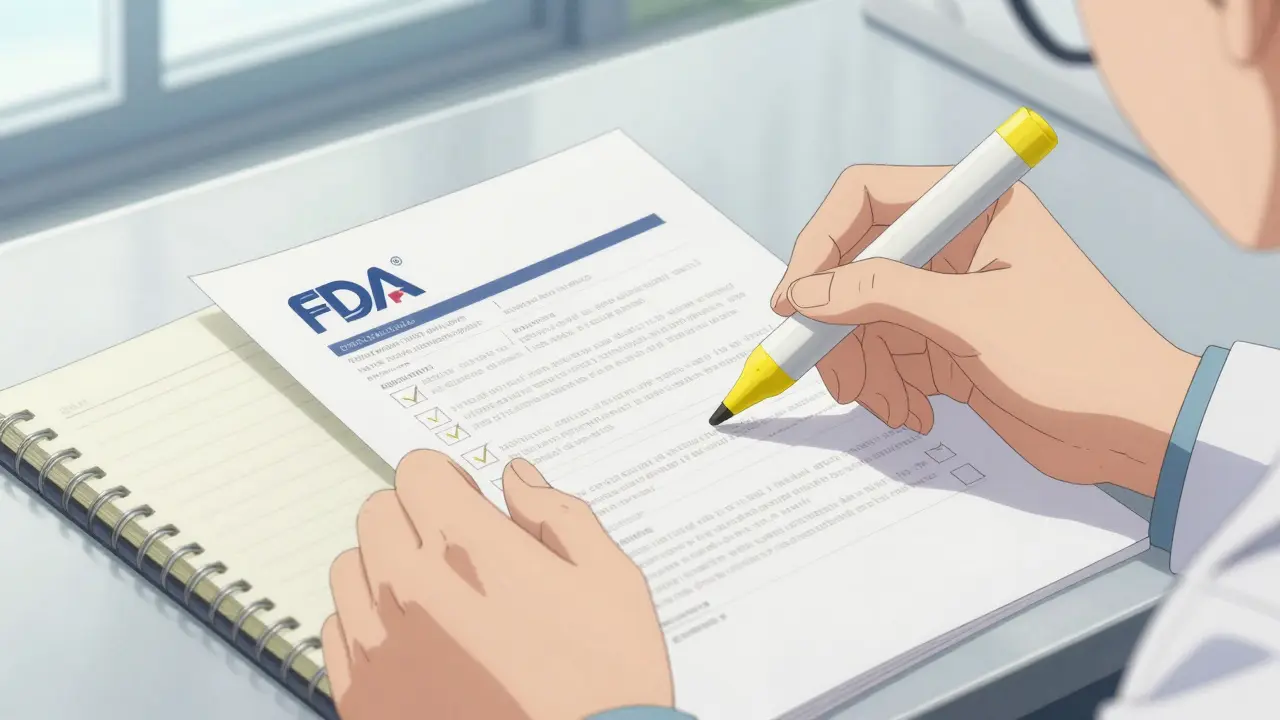
Before your visit, gather specific information. Bring the printed FDA Drug Safety Communication. Highlight the sections relevant to your situation. Prepare three key questions. For example:
- Does this alert apply to me based on my health conditions?
- Are there alternative medications we should consider?
- What monitoring do I need if this risk affects me?
Check your medication name and dosage exactly as prescribed. Bring a list of all your current medications, including over-the-counter drugs and supplements. This helps your doctor see the full picture. A Journal of General Internal Medicine study found that raising safety concerns in the first 2-3 minutes of the appointment yields better outcomes because doctors are most alert early in the visit.
Talking to Your Doctor Effectively
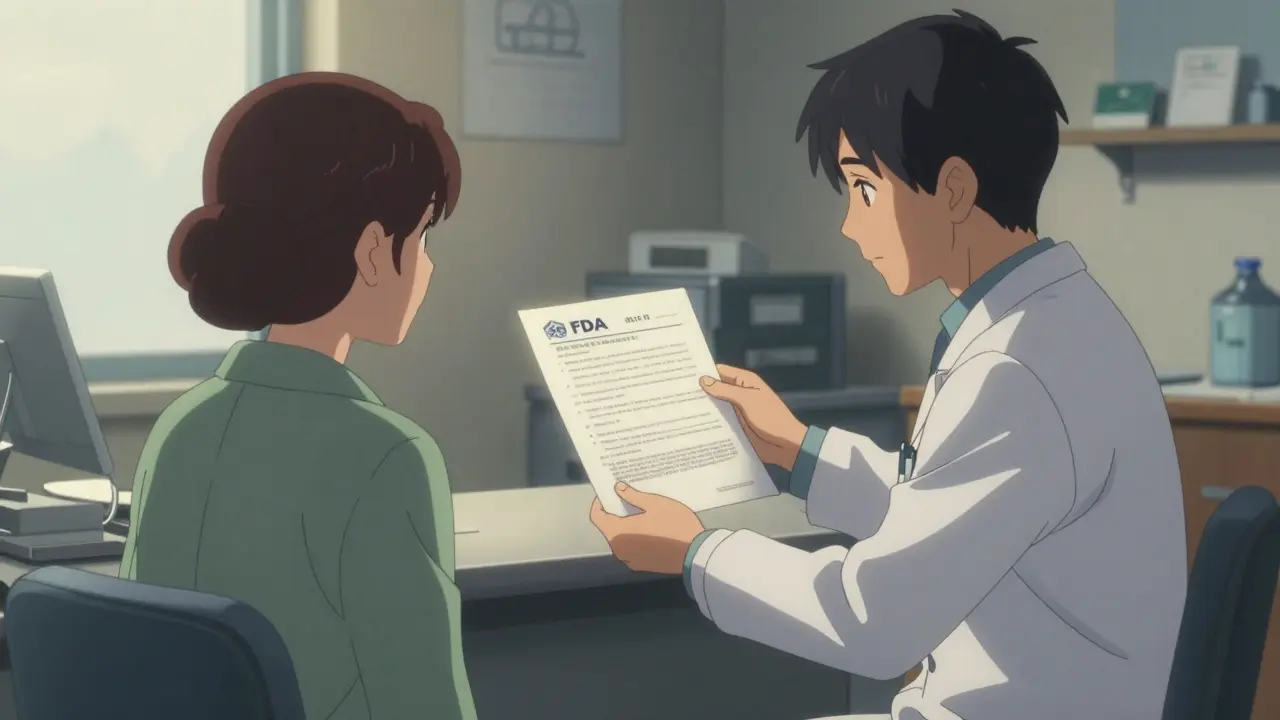
Start the conversation clearly. Say: 'I saw this FDA alert dated [date] and want to discuss how it applies to my situation.' Avoid statements like 'This drug is dangerous' or 'I read online that it causes X.' The Institute for Healthcare Advancement's 2022 guide recommends this approach because it shows you're informed but open to professional advice.
Listen carefully to your doctor's explanation. They might say the alert doesn't apply to you because of your specific health history. For example, a blood pressure medication alert might only affect people with kidney disease. Ask: 'Can you explain how this doesn't apply to me?' If they dismiss it, request clarification. A Reddit user named 'PharmaPatient87' shared a positive experience where their doctor explained why an alert didn't apply to their condition in just two minutes.
After the Appointment
If your doctor confirms the alert applies to you, follow their plan. This might include switching medications, adjusting dosages, or adding monitoring tests. If they say it doesn't apply, ask for written confirmation. This helps if you see the alert again later.
Keep a record of your discussion. Note the date, what was said, and next steps. If you're still unsure, get a second opinion from another healthcare provider. Remember, FDA alerts are evidence-based, but they may not apply to everyone. The CDC's medication safety guidelines emphasize that 'medicines are safe when used as prescribed or as directed on the label,' but also acknowledge that 'adverse drug events are a serious public health threat.'
Frequently Asked Questions
What if my doctor dismisses the alert?
Ask for specific reasons why it doesn't apply to you. Say, 'Can you explain how this alert doesn't affect my health history?' If you're still unsure, get a second opinion. Remember, FDA alerts are evidence-based, but they may not apply to everyone. Your doctor should provide clear, evidence-based reasons for their decision.
How do I know if an alert applies to my specific situation?
Bring the printed FDA alert to your appointment and ask directly. Your doctor will consider your age, health conditions, other medications, and dosage. For example, a stimulant alert might only affect people with heart problems. The FDA's May 2023 alert on ADHD medications specifically updated warnings for misuse risks in people with certain health histories.
Can I stop taking my medication based on an alert?
Never stop a medication without talking to your doctor first. Some alerts require gradual changes or monitoring, not immediate discontinuation. For instance, the July 2025 opioid alert required updated prescribing information but didn't say to stop taking the medication. Always follow professional advice before making changes.
What should I bring to my appointment?
Bring the printed FDA Drug Safety Communication, your current medication list (including dosages), and a list of other health conditions. Avoid social media posts or third-party summaries. A study of patient experiences showed 68% of those who brought official FDA documents reported positive discussions with their doctors.
How often should I check for new drug safety alerts?
Check the FDA Drug Safety Communications page every 3-6 months, or whenever you start a new medication. The FDA issues hundreds of alerts yearly. Sign up for email alerts on specific drug types through the FDA website. This helps you stay informed without overwhelming your doctor with unnecessary questions.
14 Comments
Cullen Bausman February 6, 2026 AT 17:50
FDA alerts critical. Check official page. Social media unreliable. Print document. Bring to appointment. Common sense.
Cole Streeper February 8, 2026 AT 15:56
The FDA is a puppet of Big Pharma. They only issue alerts when forced. You need to check the official document but also dig deeper. Whistleblower reports say they suppress real dangers. Cross-reference with independent studies. Don't trust FDA's word alone. They're in cahoots with drug companies. Print document but look for original study data. They hide worst risks. Always question everything.
Dina Santorelli February 9, 2026 AT 07:55
I saw this alert and immediately freaked out. Checked FDA site. Not as bad as I thought. But still worried. Doctor didn't know about it. Why have alerts if doctors don't keep up? I'm stopping my meds. Can't trust anyone. Stay home.
Arjun Paul February 9, 2026 AT 08:03
You should always bring the printed FDA alert. Social media is full of misinformation. Doctors appreciate prepared patients. If you don't have the document, you're wasting time. Basic common sense.
divya shetty February 11, 2026 AT 03:18
The FDA's official page is the only reliable source. Social media is full of dangerous misinformation. Always print the document and bring it to your appointment. It's your responsibility to be informed. Doctors don't have time to educate patients. You must do the research yourself.
Nancy Maneely February 11, 2026 AT 13:17
OMG this alert is so scary! I read it online and was like, 'WTF?' Then I checked the FDA site. It's not as bad as social media says. But still, why do they keep hiding this? My doctor didn't even know. I'm so done with this system. Always bring printed docs. No excpetions. #FDAscam
Phoebe Norman February 12, 2026 AT 20:43
The FDA alert requires careful consideration. Adverse event reports are complex. Need to evaluate risk-benefit ratio. Patient-specific factors are critical. Medication history must be reviewed. Always consult healthcare provider. Do not self-diagnose based on alerts.
Albert Lua February 13, 2026 AT 20:41
As someone who's worked in healthcare across different countries, I can tell you the FDA is one of the most rigorous agencies. Always check their official site. Social media is unreliable. Print the document. Bring it to your appointment. It's the best way to ensure your safety. Always be proactive about your health.
Katharine Meiler February 14, 2026 AT 12:03
The evidence-based approach is key. FDA alerts are based on extensive data analysis. Always verify the specific details. Check the exact medication name and dosage. Consult with your provider. They can contextualize the alert for your situation. It's a collaborative process.
Danielle Vila February 14, 2026 AT 15:59
I've been digging into this for months. The FDA is just a front for Big Pharma. They only release alerts when the evidence is undeniable. But the real danger? The drugs are designed to cause harm. They know it. I found a whistleblower who said they suppress the worst risks. You need to print the document but also look for the original studies. They hide the data. Always question everything. My cousin almost died because of this. Doctors don't care. They're in it for the money. Print the alert. Bring it to your appointment. Demand answers. Fight the system. This is why I'm so vocal about it. The truth is out there. You just need to look.
Thorben Westerhuys February 15, 2026 AT 16:17
I saw the alert, and I was so worried! I called my doctor immediately. They said it didn't apply to me, but I still don't trust them. I went online and found all these horror stories. It's terrifying. I think I should stop taking my meds. I'm so anxious. I can't sleep. I need to get a second opinion. This is so stressful. I wish I had more information. It's just too much.
Andre Shaw February 17, 2026 AT 10:39
Everyone's panicking about this FDA alert. But let's be real. Most of these alerts are overblown. The FDA's own data shows that adverse events are rare. The real problem is people not following directions. If you take your meds as prescribed, you're fine. Stop reading social media. Check the FDA site. But don't overreact. It's all about context. Always consult your doctor. But don't assume the worst. Most people don't need to do anything.
Joyce cuypers February 19, 2026 AT 03:47
Always print the document no excpetions.
Georgeana Chantie February 19, 2026 AT 16:12
The FDA is the best in the world! Always check their site. Social media is trash. Print the document. Bring to appointment. 😎