

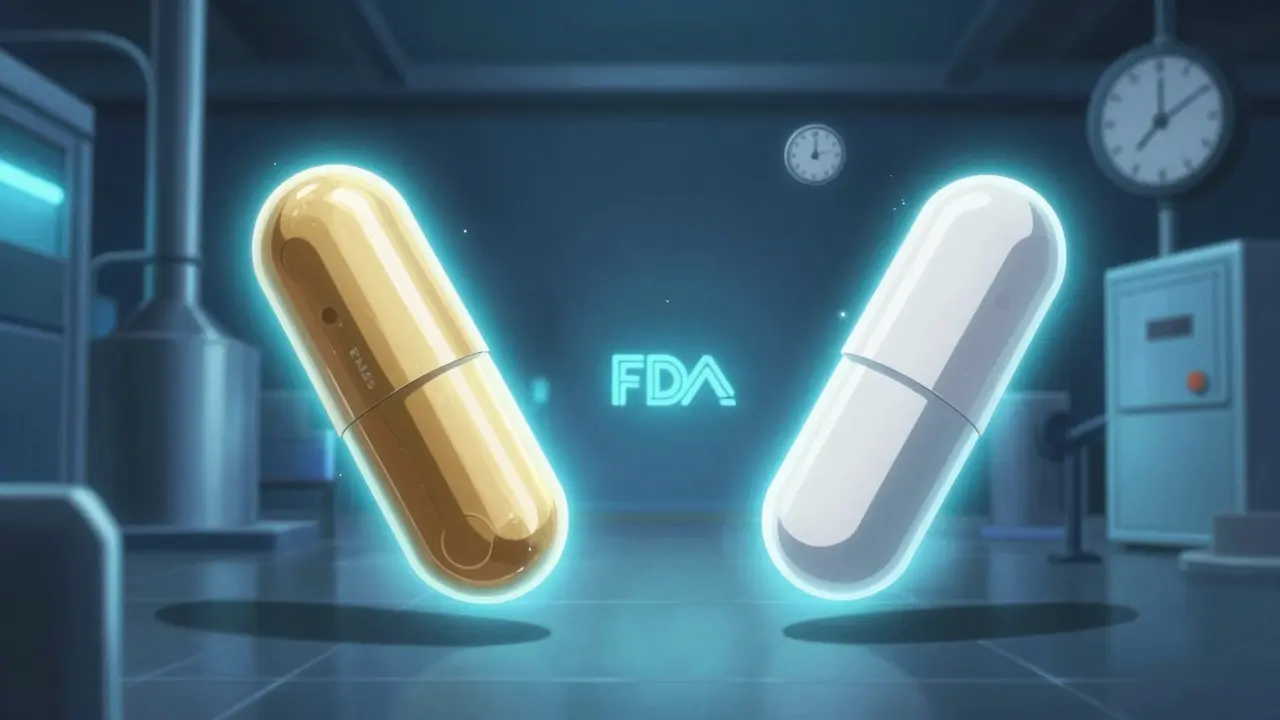
The pharmaceutical market is changing fast, and authorized generics are at the center of it. These aren’t the same as regular generic drugs. While traditional generics come from companies that file ANDAs to copy a brand-name drug after its patent expires, authorized generics are made by the original brand company itself - but sold under a generic label. It’s a legal gray area that’s become a powerful business tool. And right now, how they’re used is shifting.
What Exactly Are Authorized Generics?
An authorized generic is the exact same drug as the brand-name version - same active ingredient, same factory, same packaging - just without the brand name on the bottle. The brand manufacturer produces it, then licenses it to a distributor to sell as a generic. The FDA has tracked these since 1999, and since 2010, over 850 have launched. Most show up after the first traditional generic enters the market, not before. That’s not an accident.
Why do brand companies do this? It’s simple: they want to keep some of the revenue after their patent runs out. If they let a competitor launch a cheaper version, they lose market share fast. But if they launch their own generic version at the same time, they capture a big chunk of the new market. It’s like selling the same cake under two different names - one expensive, one cheap - and keeping both shelves stocked.
Why Oral Tablets Dominate the Authorized Generic Market
Not all drugs get authorized generics. The vast majority are oral solid dosage forms - tablets and capsules. Why? Because they’re easy to copy. The chemistry is straightforward, manufacturing is standardized, and the FDA approves them faster. In contrast, injectables, inhalers, and complex biologics are harder to replicate, so they rarely see authorized generics.
Between 2010 and 2019, three out of every four authorized generics launched only after the first traditional generic was approved. That timing isn’t random. Brand companies wait until the market is ready. If they launch too early, they hurt their own brand sales. If they wait too long, they lose control. The sweet spot? Launching before or during the 180-day exclusivity window granted to the first generic filer. In those cases, about 70% of authorized generics came in right when the competition was strongest.
The Decline of Strategic Delays
For years, brand manufacturers held back authorized generics to squeeze more profit from their branded versions. They’d let the patent expire, then wait months - sometimes over a year - before releasing their own generic. That kept prices high and gave them time to transition patients to more expensive alternatives.
But that’s changing. According to RAPS in June 2025, the practice of delaying authorized generic launches is declining. Why? Two big reasons: regulatory pressure and market reality. Regulators are watching closer. Public and payer scrutiny on drug pricing is at an all-time high. And patients are fed up. When a drug like imatinib or celecoxib stays expensive for years after patent expiry, the cost hits Medicare and commercial insurers hard - an extra $2.5 billion in spending over three years, according to JAMA Health Forum in 2025.
Brand companies are realizing that holding back doesn’t save money anymore. It just makes them look bad. So they’re moving faster. The authorized generic isn’t a weapon anymore - it’s becoming a tool for smoother transitions.
The 0 Billion Patent Cliff
Between 2025 and 2030, branded drugs worth $217 billion to $236 billion in annual sales will lose patent protection. That’s the biggest wave of expirations in history. Drugs like ustekinumab and vedolizumab - used for autoimmune diseases - are about to go generic. And when they do, the market won’t just see one or two competitors. It’ll see dozens.
That’s where authorized generics come in. For high-revenue drugs, brand companies have a lot to lose. Launching their own generic version lets them control the narrative, manage supply, and avoid being wiped out by a cheaper competitor. The U.S. generic drug market is projected to hit $196.9 billion by 2034. That growth isn’t just from traditional generics. Authorized generics are part of that rise.
FDA’s New Pilot Program: Made in the USA
In October 2025, the FDA announced a new pilot program: faster ANDA reviews for generic drugs made entirely in the U.S. - from active ingredients to final testing. This isn’t just about speed. It’s a signal. The government wants to reduce reliance on overseas manufacturing, especially after supply chain disruptions during the pandemic.
For authorized generics, this could be huge. If a brand company already makes its drug in the U.S., it can now get its generic version approved faster. That means quicker market entry, less time for competitors to lock in customers, and more control over pricing. It also makes domestic production more attractive than ever. Companies that were considering outsourcing might now rethink that.
It’s not just about cost anymore. It’s about security. And that’s changing how authorized generics are planned. The next wave won’t just be about timing - it’ll be about where they’re made.
Biosimilars Are the New Frontier
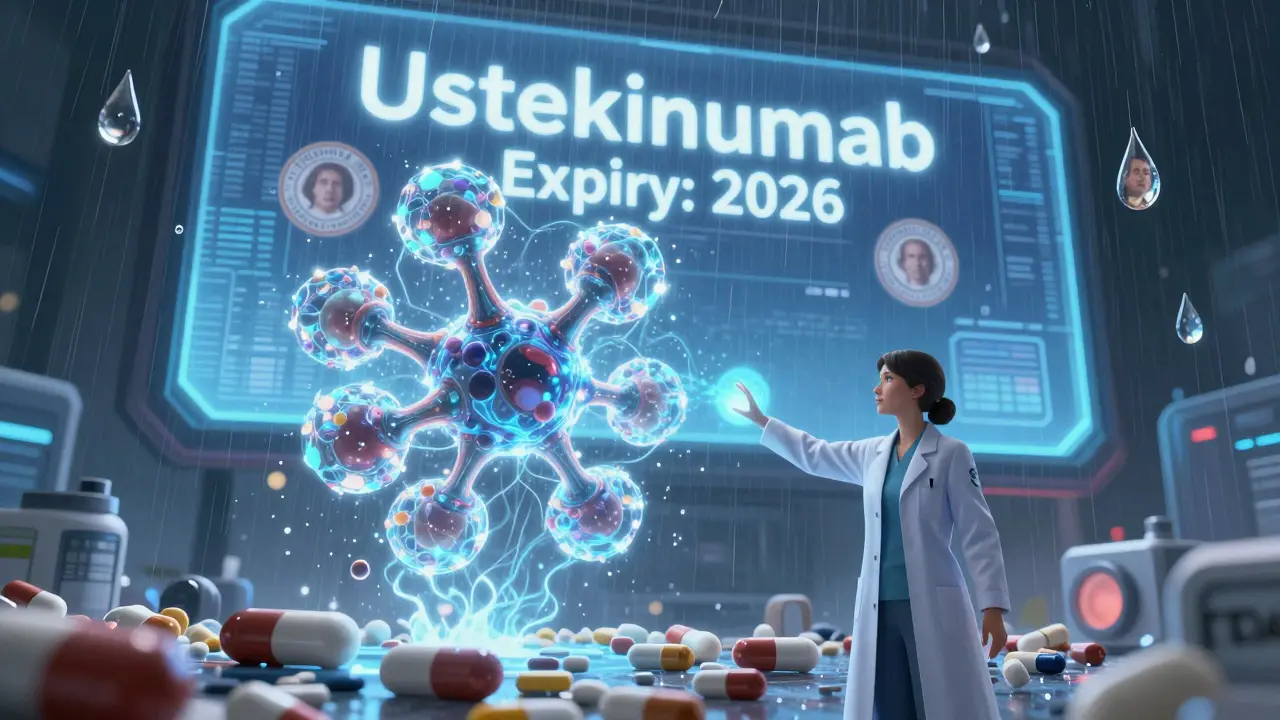
Authorized generics have mostly stayed in the small-molecule space - pills and capsules. But now, biologics are coming. Drugs like Humira, Enbrel, and now ustekinumab are losing exclusivity. These aren’t simple chemicals. They’re complex proteins made in living cells. Copying them isn’t like copying aspirin.
That’s where biosimilars come in. They’re not generics - they’re “similar” versions. But the market is hungry for them. By 2029, oncology and immunology biosimilars could save $25 billion. Brand companies are watching this space closely. Will they launch authorized biosimilars? Not exactly - because biosimilars can’t be “authorized” in the same way. But they might launch their own biosimilar versions under a different brand name, using the same manufacturing lines.
It’s the next evolution. The same playbook - control the product, control the price, control the market - is being adapted for complex drugs.
What This Means for Patients and Payers
At first glance, authorized generics sound like a win for patients. Lower prices. Same drug. But the story isn’t that simple. When a brand company launches its own generic, it often undercuts traditional generics just enough to keep prices from dropping too far. The result? Prices fall, but not as much as they would if the market were truly open.
Still, the trend is moving toward more transparency and faster access. With fewer delays in launching authorized generics, patients get cheaper options sooner. And with the FDA pushing for U.S.-made drugs, supply chains are becoming more reliable.
The big picture? Authorized generics are no longer just a tactic to delay competition. They’re becoming part of a new normal - a way for brand companies to stay relevant after their patents expire, without being seen as price-gougers. And that’s good for everyone.
What’s Next?
The next five years will define the role of authorized generics. With over $200 billion in drugs going off-patent, brand companies have no choice but to adapt. The days of holding back generics are fading. The FDA’s new focus on domestic production will reshape manufacturing. And biosimilars will bring this whole model into a new class of drugs.
Patients will benefit from faster access to lower-cost versions. Payers will see more predictable pricing. And brand companies? They’ll have to choose: fight the market, or join it.
One thing’s clear: authorized generics aren’t going away. But how they’re used? That’s changing - and fast.
8 Comments
Conor Murphy January 27, 2026 AT 01:40
This is such a nuanced take 🙌 I’ve seen patients switch to authorized generics and literally cry because their copay dropped from $300 to $12. It’s not just business-it’s human.
Paul Taylor January 28, 2026 AT 08:40
The whole authorized generic thing is just brand companies playing chess while the rest of us are playing checkers they make the exact same pill but slap a different label on it and call it a new product and somehow that’s legal i mean sure the chemistry is identical but the branding is pure psychological manipulation and we all just roll with it because we’re too tired to fight the system
Patrick Merrell January 30, 2026 AT 05:32
Let’s be real-this isn’t innovation, it’s exploitation. Brand companies wait until the patent dies, then they flood the market with their own ‘generic’ to crush competition and keep prices artificially high. 🤬 No wonder people can’t afford medicine. This isn’t healthcare-it’s corporate theater.
Conor Flannelly January 31, 2026 AT 04:09
There’s a quiet irony here. The same pharma giants that spent decades lobbying against generic competition are now the ones producing the generics. It’s like a fox running the henhouse and calling it ‘conservation.’ But honestly? If it gets cheaper meds to people faster, maybe we should stop judging the tool and focus on the outcome. Still, the power imbalance remains. The FDA’s U.S.-manufacturing push is a start-but we need price caps too.
Harry Henderson January 31, 2026 AT 08:30
STOP LETTING BIG PHARMA GET AWAY WITH THIS. THEY’RE NOT HELPING-THEY’RE GAMING THE SYSTEM. IF YOU MAKE THE DRUG, YOU OWN THE PATENT, YOU DON’T GET TO LAUNCH A ‘GENERIC’ VERSION AND STILL CONTROL THE MARKET. THIS IS PRICE-FIXING WITH A SIDE OF HYPOCRISY. THE FDA NEEDS TO BAN THIS PRACTICE NOW.
astrid cook February 1, 2026 AT 03:47
I just found out my insurance won’t cover the ‘authorized generic’ because it’s ‘too similar’ to the brand… so I’m paying full price for the exact same pill. 😭 Like, what even is this system? Who’s designing this? Someone with a PhD in cruelty?
Andrew Clausen February 2, 2026 AT 14:39
The term 'authorized generic' is a misnomer. By definition, a generic drug must be manufactured by a different entity than the brand-name sponsor. The FDA’s own guidance acknowledges this distinction. What is being described here is not a generic-it is a private-label branded product. Mislabeling undermines regulatory integrity and confuses prescribers and patients. Precision in language matters.
Anjula Jyala February 4, 2026 AT 07:56
The biosimilar paradigm shift is inevitable and the authorized generic model is becoming obsolete in high-complexity biologics. The NCE exclusivity window is collapsing under biosimilar pressure and the manufacturing scalability of mAbs demands vertical integration which is precisely why Big Pharma is vertically integrating their biosimilar pipelines under new brand architectures not authorized generics per se but de facto equivalents with differentiated branding to circumvent payer restrictions