


Stopping benzodiazepines cold turkey can be dangerous. For people who’ve been taking them daily for months or years, sudden discontinuation can trigger seizures, panic attacks so severe they feel like heart attacks, hallucinations, or even psychosis. Yet many patients are stuck on these medications-not because they want to, but because they don’t know how to get off safely. The good news? With the right plan, most people can taper off benzodiazepines without serious harm. The key is going slow, staying supported, and tailoring the approach to your body and history.
Why Tapering Matters
Benzodiazepines like Xanax, Valium, Klonopin, and Ativan work fast. They calm nerves, help you sleep, and stop panic in its tracks. But after about a month of daily use, your brain starts to rely on them. It changes how it makes GABA, the natural calming chemical. When you stop suddenly, your brain is left scrambling. That’s when withdrawal hits hard. The 2024 Joint Clinical Practice Guideline, backed by 10 major medical societies, says tapering isn’t optional for long-term users-it’s essential. Abruptly quitting after more than a month of use carries a 20-40% risk of severe withdrawal. For people on high doses or short-acting drugs like alprazolam, the risk jumps even higher. That’s why the FDA required label changes in 2019 warning doctors: never stop these meds suddenly.How Slow Should You Go?
There’s no single right speed. But the most trusted guidelines agree on a starting point: reduce your total daily dose by 5-10% every 2 to 4 weeks. That’s it. Not more. Not faster. Even if you feel fine, your brain needs time to adjust. Pushing too hard often leads to rebound anxiety, insomnia, or worse. The Oregon Health Authority breaks it down by duration of use:- 2-8 weeks of use: taper over at least 2 weeks
- 8 weeks to 6 months: taper over at least 4 weeks
- 6 months to 1 year: taper over at least 8 weeks
- More than 1 year: taper over 6 to 18 months
Which Drug Should You Taper From?
Not all benzodiazepines are the same. Some leave your system in hours. Others stick around for days. That matters because short-acting drugs like alprazolam (Xanax) or triazolam (Halcion) cause sharper withdrawal spikes. That’s why switching to a longer-acting one is often the safest move. Diazepam (Valium) is the gold standard for this switch. It has a long half-life, meaning it builds up slowly in your system and releases steadily. This smooths out withdrawal symptoms. The conversion isn’t exact, but a common rule is: 1 mg of alprazolam = 20 mg of diazepam. A pharmacist or doctor can help you calculate your exact dose. Some people can taper directly off their current med-especially if they’re on a long-acting one like clonazepam. But if you’re on multiple benzos, or if you’ve been using high doses, switching to diazepam is usually the smartest choice.What to Expect During Tapering
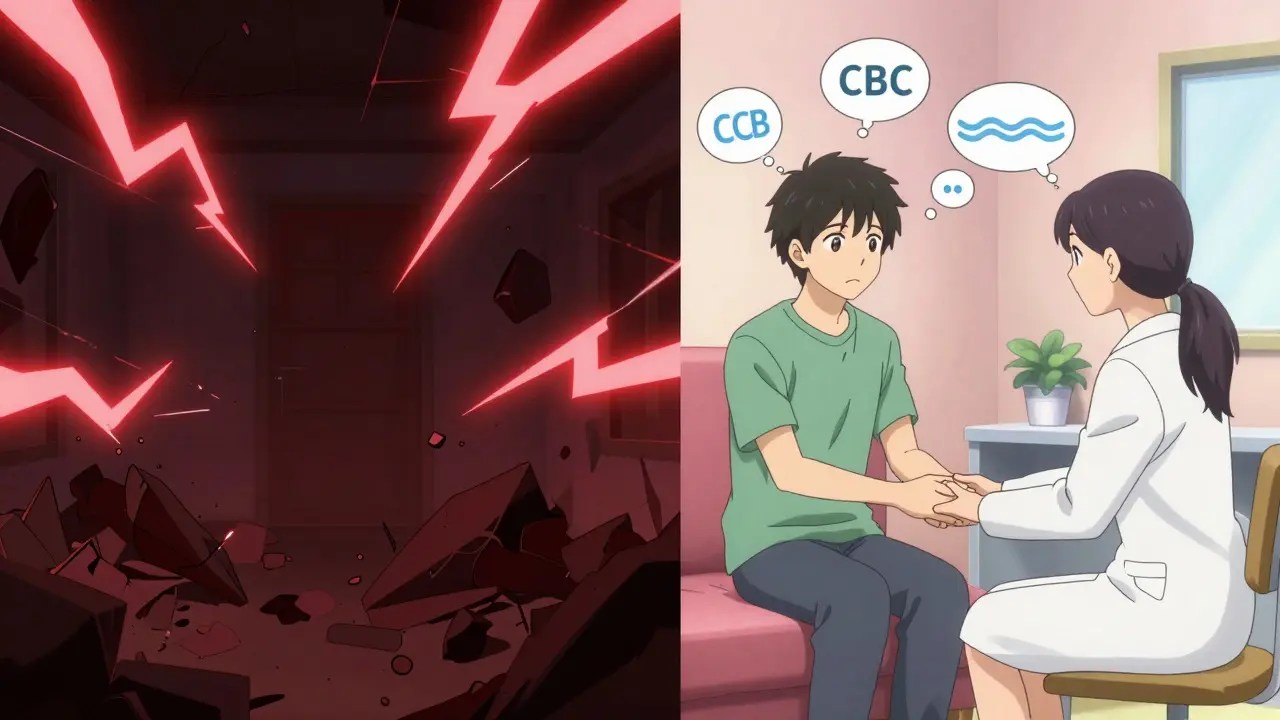
Withdrawal symptoms aren’t the same for everyone. But common ones include:- Anxiety that feels worse than before you started
- Insomnia or strange sleep patterns
- Tremors, muscle twitches, or tingling
- Headaches, dizziness, or blurred vision
- Sound or light sensitivity
- Depersonalization (feeling detached from yourself)
What Works Better Than Just Cutting Dose
Tapering alone isn’t enough for most people. The real breakthrough comes when you combine it with therapy. A 2024 study in JAMA Psychiatry found that people who got cognitive behavioral therapy (CBT) while tapering had a 68.3% success rate in stopping benzos completely. Those who only got medical management? Only 42.1% succeeded. CBT helps you retrain your brain to handle anxiety without drugs. It teaches breathing techniques, thought restructuring, and exposure to feared situations. You learn that panic doesn’t kill you. That insomnia won’t destroy you. That you can sit with discomfort-and survive. Other supports help too:- Peer support groups (people who’ve been through it)
- Clinical pharmacists who track your dose and interactions
- Regular check-ins with your doctor every 2-4 weeks
Who Should Avoid Tapering?
Tapering isn’t for everyone. Some people need to stay on low doses long-term because alternatives haven’t worked. That’s not failure. It’s medical reality. The 2024 guidelines say tapering should be paused or avoided if:- You have a history of seizures and no other seizure control
- You’re actively using alcohol or opioids (this increases withdrawal risk dramatically)
- You have severe untreated depression or psychosis
- You’re in a crisis (divorce, job loss, recent trauma)
How to Set Up a Safe Taper
Here’s what a real-world safe taper looks like:- See one prescriber only. No multiple doctors.
- Fill prescriptions at one pharmacy. This prevents accidental overuse.
- Get your medication in small batches-once every 1-2 weeks. This prevents hoarding.
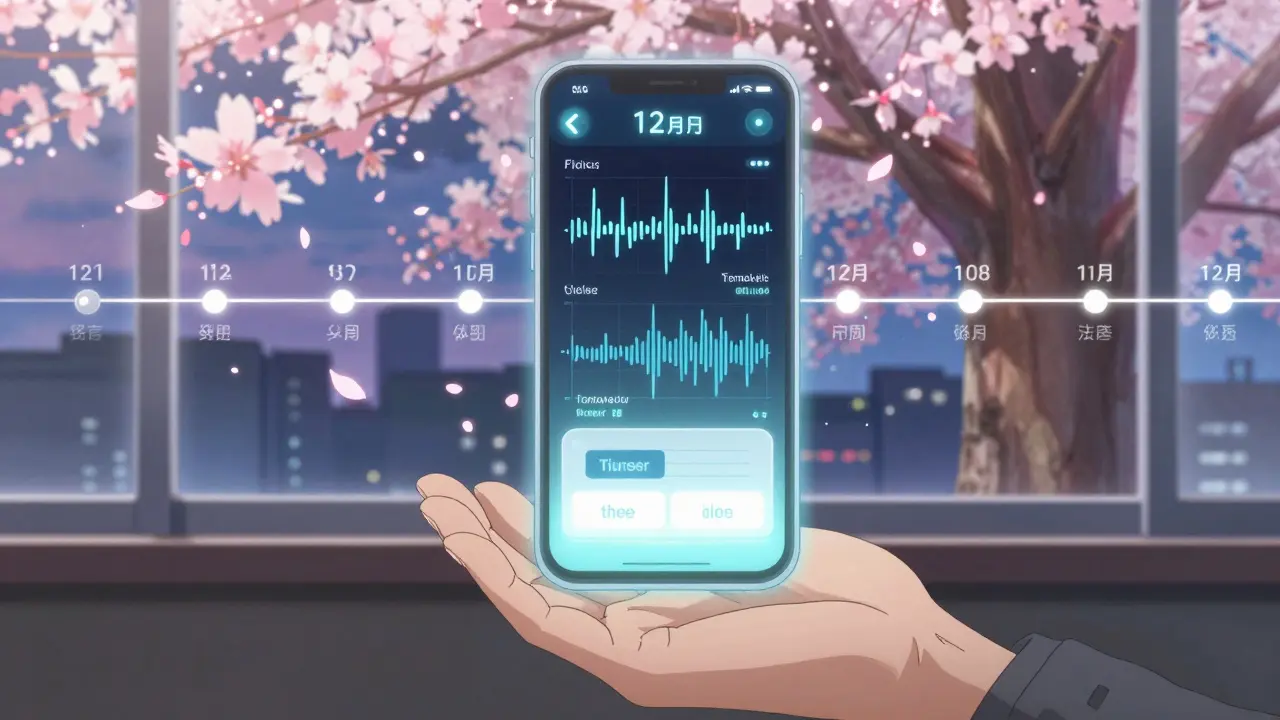
- Track your symptoms daily. Use a notebook or a simple app. Note mood, sleep, anxiety levels.
- Meet with your provider every 2-4 weeks. No exceptions.
- Start therapy (CBT or similar) before or during the taper.
What About Natural Alternatives?
You’ll hear about magnesium, valerian, CBD, or kava. Some help with sleep or mild anxiety. But none replace benzodiazepines for severe withdrawal. Don’t use them as a substitute for a medical taper. They’re supplements, not solutions. The only proven alternatives are:- SSRIs or SNRIs for anxiety (like sertraline or venlafaxine)
- Buspirone (a non-benzo anti-anxiety med)
- Hydroxyzine (an antihistamine sometimes used short-term)
- Evidence-based therapy (CBT, DBT, ACT)
What’s Changing in 2026?
The landscape is shifting fast. Twenty-eight states now require a formal tapering plan for prescriptions over 90 days. The FDA is pushing harder. The VA has made it policy. And now, the NIH is funding a $2.4 million study on a mobile app that tracks symptoms and adjusts taper speed in real time-expected to launch in mid-2026. Health systems are hiring tapering specialists. Pharmacists are getting trained in benzo withdrawal. Insurance companies are starting to cover CBT for tapering patients. This isn’t a trend. It’s becoming standard care.Final Thought: It’s a Marathon, Not a Sprint
If you’re thinking about tapering, know this: you’re not weak for needing help. You’re not broken for being dependent. You’re human. Benzodiazepines are powerful, and your brain adapted to them. Now, it’s time to heal. The slowest taper that keeps you stable is the fastest way to freedom. Skip the guilt. Skip the pressure to be ‘done’ by a certain date. Focus on consistency. One small reduction. One good night’s sleep. One day without panic. Those are your wins. You don’t need to do this alone. Find your team. Your doctor. Your therapist. Your support group. And take it one step at a time.Can I quit benzodiazepines cold turkey?
No. Quitting benzodiazepines suddenly after daily use for more than a month carries a high risk of seizures, psychosis, and life-threatening withdrawal. Even if you’ve only been on them for a few weeks, abrupt discontinuation can cause severe rebound anxiety and insomnia. Always taper under medical supervision.
How long does benzo withdrawal last?
Acute withdrawal symptoms usually peak within 1-4 days after a dose reduction and fade over 1-2 weeks. But some people experience protracted withdrawal-milder symptoms like brain zaps, anxiety, or sleep issues-that can last months. This doesn’t mean you’re failing. It means your brain is still rewiring. Patience and support make all the difference.
Is diazepam (Valium) better than Xanax for tapering?
Yes, for most people. Diazepam has a long half-life, so it stays in your system longer and releases slowly. This smooths out withdrawal symptoms. Xanax (alprazolam) is short-acting and causes sharper drops in blood levels, leading to more intense withdrawal. Switching from Xanax to diazepam is a common, evidence-based strategy to make tapering safer and more comfortable.
Can I taper without a doctor?
Not safely. Benzodiazepine tapering requires medical oversight. You need someone to adjust your dose based on symptoms, rule out other causes of withdrawal, and monitor for complications. Trying to taper alone increases the risk of relapse, severe symptoms, or dangerous mistakes. Even if you feel fine, you need a professional guide.
What if my anxiety comes back worse during tapering?
It’s common. Withdrawal often brings back anxiety-sometimes stronger than before. This doesn’t mean you need to go back on the benzo. It means your brain is adjusting. Work with your therapist to use CBT techniques. Avoid increasing your dose. Pause the taper for 1-2 weeks. Most people find their anxiety settles after a few weeks of stabilization.
Are there any new tools to help with tapering?
Yes. A NIH-funded mobile app for symptom tracking and personalized taper adjustments is being tested and expected to launch in mid-2026. It will help users log mood, sleep, and physical symptoms, then suggest whether to hold, slow, or continue the taper. While not a replacement for care, it’s a powerful support tool for people working with a provider.
12 Comments
Jodi Harding January 16, 2026 AT 21:18
This post hit me like a freight train. I tapered off Xanax after 7 years-took 18 months. Some days I cried just holding the pill cutter. But I’m sober now. Not just from benzos-from the idea that I needed them to exist. My brain didn’t break. It remembered how to breathe.
Stop blaming yourself. This isn’t weakness. It’s neurobiology. And you’re not alone.
Also-yes, Valium is the MVP. Don’t let anyone tell you otherwise.
Love you all out there fighting this silent war.
Kristin Dailey January 17, 2026 AT 08:21
Another liberal wellness cult post. You people act like benzos are the devil. They’re medicine. If you can’t handle life without a pill, that’s your problem, not the drug’s.
Stop pathologizing normal stress.
Pat Dean January 17, 2026 AT 11:39
Oh great. More ‘go slow’ nonsense. I’ve seen this before. People use ‘tapering’ as an excuse to stay addicted for life.
You think your brain ‘needs time’? It needs discipline. You need to quit. Not ‘taper.’ Not ‘adjust.’ Just. Stop.
And no, Valium isn’t magic. It’s just another opiate in disguise.
Stop coddling yourselves.
Jake Moore January 17, 2026 AT 18:40
Y’all need to hear this: Tapering isn’t about being weak-it’s about being smart.
I’m a pharmacist. I’ve seen people try to quit cold turkey. They end up in the ER. Not because they ‘couldn’t handle it.’ Because their brain forgot how to make GABA.
Follow the timeline in this post. 5-10% every 2-4 weeks. No heroics.
And get CBT. It’s not fluff. It’s science. You’ll thank yourself in 6 months.
Joni O January 18, 2026 AT 22:39
thank you for this. i’ve been tapering for 11 months and some days i feel like giving up. but i keep a little journal. wrote down ‘i didn’t panic today’ yesterday. it’s a win.
also-i switched to diazepam. it’s a game changer. no more 3am zaps.
you’re not broken. you’re healing. <3
Ryan Otto January 18, 2026 AT 23:36
Let’s be transparent: this entire narrative is manufactured by Big Pharma to sell more long-term replacement drugs like diazepam and SSRIs. The FDA’s 2019 warning? A legal maneuver. The NIH app? A data harvesting tool disguised as ‘support.’
Who benefits? The pharmaceutical-industrial complex. Not you.
Real healing doesn’t require a prescription. It requires rejecting the system that convinced you you’re broken.
Max Sinclair January 19, 2026 AT 21:50
Thank you for writing this with such care. I’ve been helping a friend through this, and your breakdown of timelines and supports is exactly what we needed.
One thing I’d add: don’t underestimate the power of routine. Same wake-up time. Same walk. Same tea in the morning. Small anchors help more than people admit.
And yes-CBT works. Not because it’s trendy. Because it rewires the fear response. Real neuroscience.
You’ve got this.
Praseetha Pn January 20, 2026 AT 05:35
OMG you guys are all missing the point. This is all a psyop. Benzos were never meant to be used long-term because the government knows they make people docile. The VA’s 23.7% reduction? That’s not progress-that’s social engineering. They want you dependent on therapists and apps so you never question authority.
And Diazepam? It’s just a slower poison. You think they’d let you switch to a ‘safer’ benzo if it wasn’t profitable?
I’ve been off all meds for 5 years. I meditate. I eat turmeric. I chant. My anxiety? Gone. You’re being played.
Wake up.
Also-your doctor is probably on their payroll. 💀
Dayanara Villafuerte January 21, 2026 AT 16:34
Just finished my 14-month taper. Got my first full night of sleep without meds last week. I cried. Then I danced in my kitchen.
PS: CBT was my MVP. My therapist made me sit in a quiet room and just breathe while my heart raced. I thought I’d die. I didn’t.
PPS: Valium FTW. I switched from Klonopin and it felt like someone turned down the volume on my brain.
PPPS: If you’re reading this and scared? You’re not alone. I was too. But you’re stronger than your fear. 💪✨
Andrew Qu January 22, 2026 AT 02:28
One thing I wish more people knew: tapering isn’t linear. Some weeks you feel amazing. Other weeks you feel like you’re drowning. That’s normal.
Don’t measure progress by how you feel. Measure it by showing up. By writing down your dose. By calling your therapist. By not taking an extra pill.
Those are the real wins.
And if you’re on a high dose? Don’t rush. I’ve seen people try to go too fast. They end up back where they started-worse off.
You’ve got time. Be gentle with yourself.
kenneth pillet January 23, 2026 AT 10:38
took 2 years. no drama. no drama. just slow. one day at a time. missed work a few times. slept 18 hours some days. didn’t die.
valium worked. cbt helped. therapist didn’t judge. that mattered most.
you’re not broken. you’re rewiring.
Danny Gray January 23, 2026 AT 12:28
Interesting how this post frames dependence as a tragedy. What if it’s just… adaptation? What if the real problem isn’t the drug, but the society that makes people need it in the first place?
We medicate burnout. We medicate loneliness. We medicate capitalism.
Maybe the real tapering should be from the system that made us believe we needed pills to survive the day.
Just saying.