

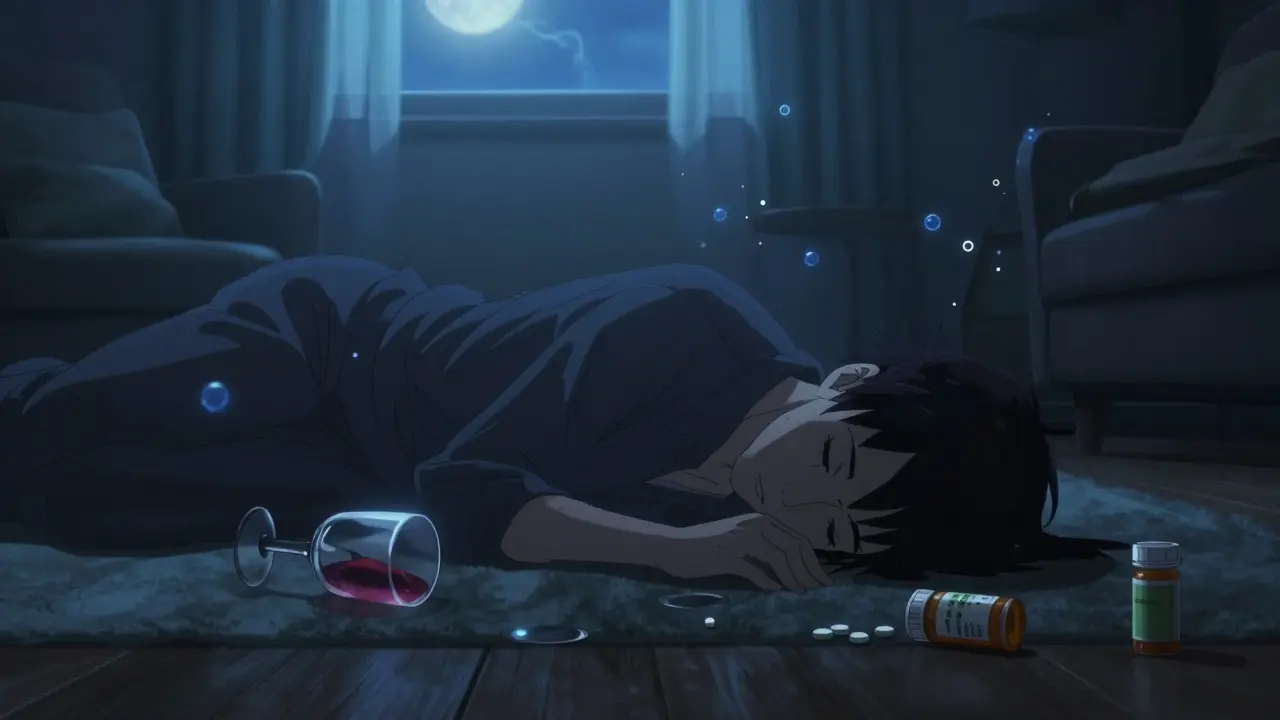
It’s 2025, and millions of Americans still take benzodiazepines for anxiety. But here’s the truth most doctors don’t tell you: benzodiazepines aren’t just risky on their own-they become dangerous when mixed with other common medications. This isn’t hypothetical. It’s happening in living rooms, emergency rooms, and funeral homes across the country.
What Benzodiazepines Actually Do
Benzodiazepines-like Xanax, Ativan, Valium, and Klonopin-work fast. They boost GABA, the brain’s main calming chemical. That’s why they work so well for panic attacks, acute anxiety, or even seizures. You take one, and within an hour, your heart slows, your muscles relax, and the screaming in your head quiets down. That’s the benefit. But that same mechanism is what makes them so risky when combined with other substances.
There are short-acting types like alprazolam (Xanax), which leave your system in 6-12 hours, and long-acting ones like diazepam (Valium), which can stick around for days. That matters because the longer a drug stays in your body, the more it builds up-and the more it can interfere with other meds you’re taking.
The Deadliest Mix: Benzodiazepines and Opioids
If you’re on opioids for chronic pain-oxycodone, hydrocodone, fentanyl-and your doctor also prescribes Xanax for anxiety, you’re playing Russian roulette with your breathing.
The FDA found that between 2011 and 2016, 75% of all benzodiazepine-related overdose deaths involved opioids. That’s not coincidence. It’s chemistry. Both drugs slow down your central nervous system. Together, they can shut off your breathing entirely-especially during sleep. You don’t even feel it happening.
A 2018 CDC study showed that people taking both opioids and benzodiazepines had a 15 times higher risk of fatal overdose than those taking opioids alone. And it’s not just street drugs. Even prescriptions are deadly in combination. In 2019, benzodiazepine-opioid combos were involved in 23% of all opioid-related deaths.
Real stories back this up. One Reddit user, u/AnxietyWarrior2020, wrote: “I was on oxycodone for back pain and Xanax for panic attacks. Two weeks in, I stopped breathing at night. I woke up in the ER with a breathing tube down my throat.” That’s not rare. It’s predictable.
Alcohol? Don’t Even Think About It
Alcohol is a CNS depressant too. It’s legal. It’s social. It’s everywhere. But mixing it with a benzodiazepine? That’s like pouring gasoline on a candle.
People think, “I’ve had a glass of wine with my Valium before-no big deal.” But that one glass? It can turn a mild sedative effect into full respiratory failure. A 2023 Healthgrades analysis of patient reviews found that 27% of negative experiences with benzodiazepines involved alcohol. Common complaints: “I passed out at dinner,” “I couldn’t wake up the next morning,” “I blacked out and fell down the stairs.”
The FDA’s 2020 boxed warning-the strongest safety alert they can issue-explicitly says: “Do not use benzodiazepines with alcohol.” And yet, many patients still do. Why? Because no one told them how serious it really is.
Other Dangerous Combinations
It’s not just opioids and alcohol. Many other common meds can turn a benzodiazepine into a time bomb.
- Sleep aids like zolpidem (Ambien) or eszopiclone (Lunesta) - combine with benzos, and you risk extreme drowsiness, confusion, and falls.
- Antidepressants like trazodone or mirtazapine - often prescribed for sleep or anxiety, they add to sedation.
- Antihistamines like diphenhydramine (Benadryl) - found in sleep aids and cold meds, they’re sneaky CNS depressants.
- Barbiturates - rarely used now, but still prescribed in some cases for seizures. Deadly combo.
Older adults are especially vulnerable. The American Geriatrics Society says benzodiazepines should be avoided in people over 65. Why? Because they increase fall risk by 50%. When combined with another sedating drug? That risk triples. One fall can mean a broken hip, surgery, long-term care-and sometimes death.
Why SSRIs Are Safer for Long-Term Anxiety
Here’s what most people don’t know: benzodiazepines aren’t the first-line treatment for anxiety anymore. They’re a backup.
SSRIs-like sertraline (Zoloft), escitalopram (Lexapro), and fluoxetine (Prozac)-take 4 to 6 weeks to work. They don’t give instant relief. But they don’t cause dependence. They don’t cause withdrawal. They don’t kill you if you drink a beer.
In 2022, SSRIs were prescribed for 68% of new anxiety cases. Benzodiazepines? Only 22%. That shift didn’t happen by accident. It happened because doctors finally started listening to the data.
And here’s the kicker: studies show that people who start on SSRIs and avoid benzos have better long-term outcomes. Less relapse. Less hospitalization. Less risk of addiction.
What to Do If You’re Already on Both
If you’re taking a benzodiazepine and an opioid-or even just sleeping pills or alcohol-don’t stop cold turkey. That’s dangerous too. Withdrawal from benzos can cause seizures, hallucinations, and even death.
Here’s what you need to do:
- Don’t panic. You’re not alone. Many people are in this situation.
- Talk to your doctor. Bring your full medication list. Ask: “Is this combination safe?” If they brush you off, get a second opinion.
- Ask about tapering. If you’re on a short-acting benzo like Xanax, your doctor should reduce your dose slowly-5-10% every 1-2 weeks. Long-acting ones like Valium can be tapered faster.
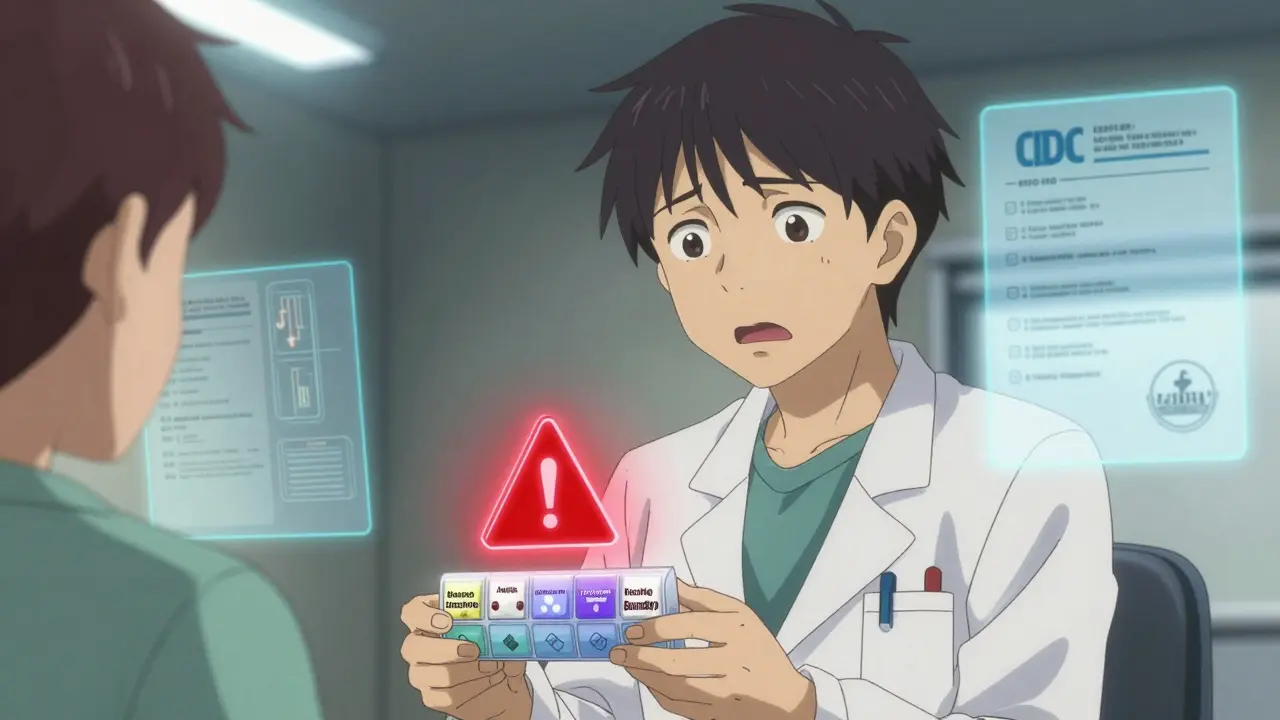
- Use a pill organizer. Keep track of what you take and when. Avoid mixing meds without checking with a pharmacist.
- Keep naloxone on hand. If you’re on opioids, have naloxone (Narcan) available. It won’t reverse benzo overdose alone, but it can help if opioids are involved.

The Bigger Picture: Why This Keeps Happening
Doctors aren’t evil. Many are overworked, underpaid, and pressured to “fix” anxiety quickly. Benzodiazepines are easy. A 30-second script. A quick fix.
But the data doesn’t lie. The FDA mandated new warnings in 2020. The CDC says avoid combining benzos and opioids. The American Psychiatric Association says use benzos only for up to 4 weeks, and only after trying SSRIs.
Yet, in 2022, only 43% of primary care doctors routinely checked for benzo-opioid combinations-even though they’re warned about it.
It’s not just about prescriptions. It’s about culture. We’ve normalized quick fixes. We’ve forgotten that anxiety isn’t a problem to be silenced-it’s a signal to be understood.
What’s Changing Now
Things are shifting. In 2023, Medicare started requiring prior authorization for any prescription that combines benzodiazepines and opioids. Pharmacies now get alerts if a patient is getting both. Prescription drug monitoring programs (PDMPs) in 40 states flag risky combinations before they’re filled.
Prescriptions for benzodiazepines have dropped from 13.1% of U.S. adults in 2013 to 10.8% in 2021. Younger people are turning to therapy, mindfulness, and exercise. Insurance is finally covering more mental health services.
The future isn’t about banning benzodiazepines. It’s about using them wisely. Short-term. Carefully. With full awareness of the risks.
Bottom Line
Benzodiazepines can help-when used right. But they’re not harmless. And they’re not meant to be taken long-term, especially with other depressants.
If you’re on one, ask yourself: Is this helping me live better-or just helping me numb out? Are you taking it because you need it, or because you’ve forgotten how to cope without it?
There’s a better way. But it starts with knowing the truth.
Can I have one drink while taking Xanax?
No. Even one drink can dangerously increase sedation and suppress your breathing. The FDA’s boxed warning explicitly prohibits alcohol use with benzodiazepines. Many overdose deaths happen because people think “just one” is safe. It’s not.
Is it safe to take Ativan with painkillers?
Only if your doctor specifically approves it-and even then, only for a few days. Combining Ativan with opioids like oxycodone or hydrocodone increases overdose risk by 15 times. Most guidelines now say: avoid this combo entirely. If you must take both, your doctor should monitor you closely and limit the duration to under 7 days.
How do I know if I’m dependent on my benzo?
Signs of dependence include needing higher doses to get the same effect, feeling anxious or shaky when you miss a dose, or being unable to stop even though you want to. If you’ve been taking it for more than 4 weeks, dependence is likely. Don’t quit cold turkey-talk to your doctor about a slow taper.
Are there safer alternatives to benzodiazepines for anxiety?
Yes. SSRIs like sertraline and escitalopram are first-line treatments for long-term anxiety. They take weeks to work but have no addiction risk. Buspirone is another non-addictive option. Therapy-especially CBT-is just as effective as medication and has lasting results. For short-term relief, consider mindfulness, breathing exercises, or exercise.
What should I do if I think someone is overdosing on benzos and opioids?
Call 911 immediately. If you have naloxone (Narcan), administer it. While waiting for help, keep the person awake and breathing. Place them on their side to prevent choking. Do not leave them alone. Even if naloxone reverses the opioid effect, the benzodiazepine is still suppressing their breathing. They still need emergency care.
11 Comments
Jane Lucas December 26, 2025 AT 17:01
i took xanax for like 3 years and never told anyone. one night i drank a beer and passed out on the bathroom floor. woke up with my face in vomit. no one knew. just me and the cold tile.
Gerald Tardif December 27, 2025 AT 10:39
the real tragedy isn't the meds-it's how we treat anxiety like a glitch to be patched, not a signal to be heard. you don't fix a screaming fire alarm by turning off the power. you find out why it's screaming.
Monika Naumann December 28, 2025 AT 22:45
In India, we do not allow such reckless pharmaceutical culture. Our ancestors managed mental distress through yoga, pranayama, and spiritual discipline. This Western obsession with chemical sedation is a sign of moral decay.
Raushan Richardson December 29, 2025 AT 16:04
i know someone who switched from klonopin to sertraline and literally got their life back. no more midnight panic spirals. no more hiding bottles. just breathing. it took time but it was worth every second.
Robyn Hays December 31, 2025 AT 04:39
i used to think benzos were my lifeline until i realized i was just trading panic for numbness. therapy didn't fix me overnight-but it gave me tools. now i use breathing, walking, journaling. the meds? gone. the peace? real.
Liz Tanner December 31, 2025 AT 06:51
The FDA's boxed warning exists for a reason. Mixing benzodiazepines with alcohol or opioids is not a matter of personal choice-it's a public health emergency. We need better education, not more prescriptions.
Babe Addict December 31, 2025 AT 18:33
lol you guys act like benzos are some kind of death sentence. i’ve been on them for 12 years with no issues. it’s not the drug, it’s the dose. and btw SSRIs make you emotionally flat like a zombie. try talking to your therapist about that.
Satyakki Bhattacharjee January 1, 2026 AT 15:42
This is the result of losing faith in God. People now want instant peace without prayer, without sacrifice. The body is a temple. You don't poison it with pills and call it healing.
Liz MENDOZA January 1, 2026 AT 18:10
i used to be the person who said 'just take a pill' to my sister. then she almost died from mixing valium and oxycodone. now i help her find therapists. i don't judge. i just show up.
Kylie Robson January 1, 2026 AT 21:31
The pharmacokinetic interaction between CYP3A4 substrates and benzodiazepines is clinically significant, particularly with concomitant opioid administration. The synergistic GABAergic suppression increases respiratory depression risk by orders of magnitude, as evidenced by NHANES 2017-2020 mortality data.
Nikki Thames January 3, 2026 AT 20:17
You think you're helping by encouraging therapy? You're just enabling weakness. Real strength is enduring pain without chemicals. If you can't handle life without a pill, you were never strong to begin with.