

Medication & Alcohol Interaction Checker
Disclaimer: This tool is for educational purposes based on the article provided. It is not a substitute for professional medical advice. Always consult your doctor or pharmacist before consuming alcohol with any medication.
Select Medication Type:
Select a medication category on the left to see the specific risks and primary dangers associated with alcohol use.
-
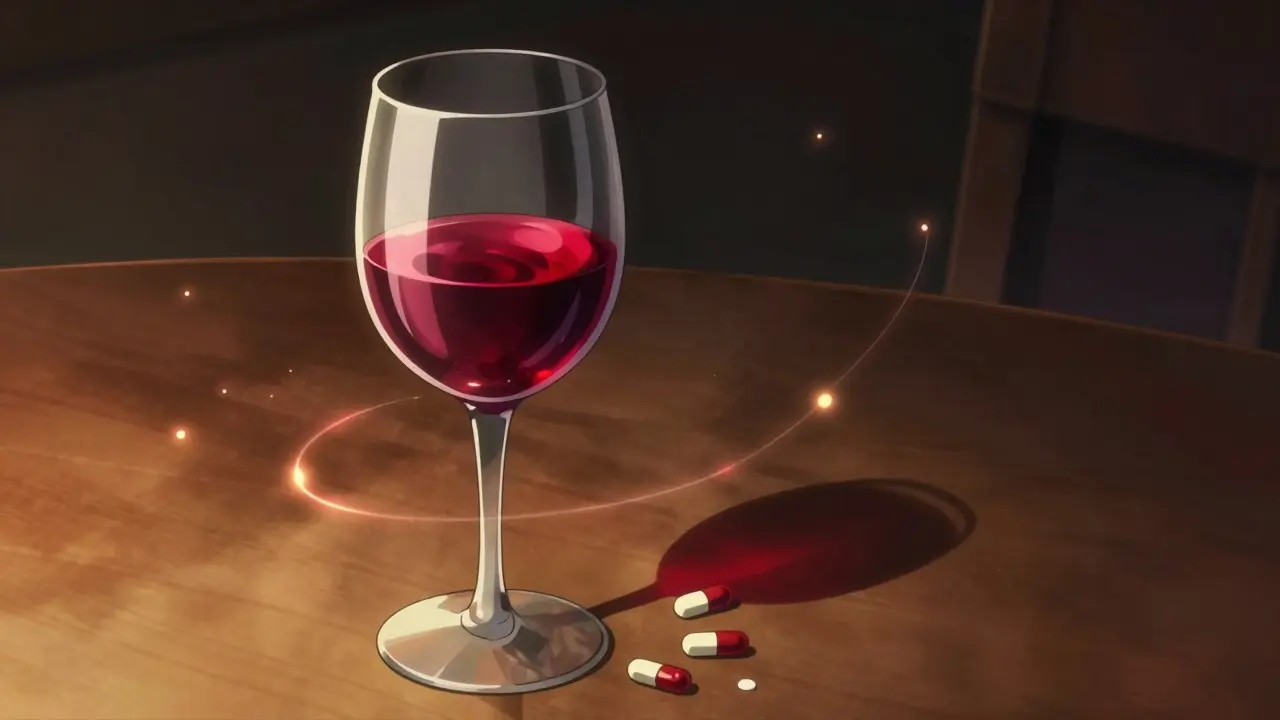
Imagine having a glass of wine to unwind after a long day, only to find that the medication you took for a headache or anxiety has turned that drink into a dangerous cocktail. It happens more often than you'd think. In fact, about 40% of adults have taken a medication in the last year that could react badly with alcohol. While some reactions just make you feel a bit drowsy, others can lead to acute liver failure, respiratory collapse, or even death.
The problem is that alcohol doesn't just "mix" with drugs; it changes how your body processes them. Whether it's a prescription pill or something you bought over-the-counter at a drugstore, alcohol and medications can interact in ways that either cancel out the medicine's benefits or amplify its side effects to a toxic level. If you're taking any kind of medication, understanding these risks isn't just a good idea-it's a safety requirement.
| Risk Level | Medication Type | Examples | Primary Danger |
|---|---|---|---|
| High | Opioids & Benzodiazepines | Oxycodone, Alprazolam | Respiratory failure & overdose |
| High | Specific Antibiotics | Metronidazole (Flagyl) | Severe nausea, vomiting, palpitations |
| Moderate | ADHD Meds & Antihistamines | Adderall, Diphenhydramine | Extreme drowsiness, heart strain |
| Moderate | Pain Relievers (NSAIDs) | Ibuprofen, Naproxen | Gastrointestinal bleeding |
| Low/Moderate | Antidepressants (SSRIs) | Sertraline, Fluoxetine | Reduced efficacy, worsened depression |
How Alcohol Actually Messes With Your Meds
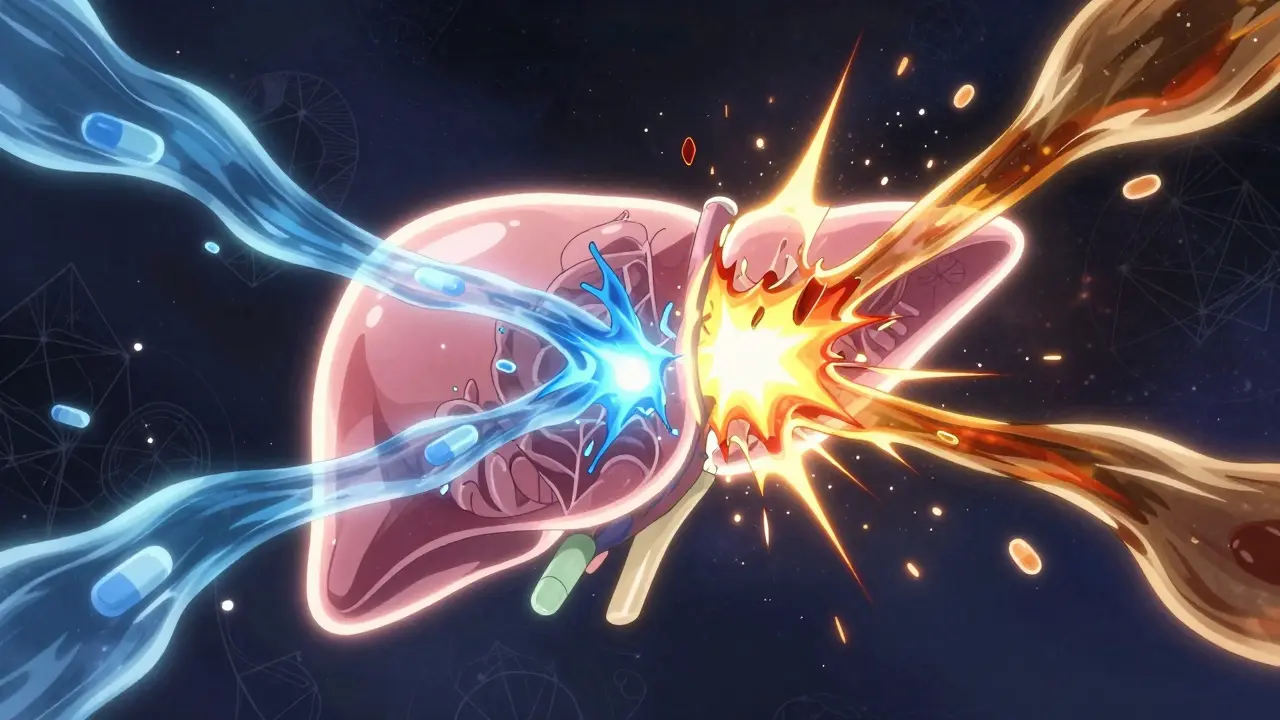
To understand why this happens, you have to look at your liver and your brain. Most drugs are processed by the Liver, which is essentially the body's chemical processing plant. Alcohol also goes through the liver. When both are present, they compete for the same enzymes. This can cause the drug to stay in your system longer (increasing toxicity) or be flushed out too quickly (making the drug useless).
Then there's the brain. Alcohol is a central nervous system (CNS) depressant. When you pair it with another CNS depressant, like a sedative or a painkiller, you get a "synergistic effect." This means 1 + 1 doesn't equal 2; it equals 5. The combination hits your respiratory system so hard that your brain might simply forget to tell your lungs to breathe.
There's also something called "dose-dumping." This happens with extended-release pills designed to leak medicine slowly over 12 or 24 hours. Alcohol can dissolve the outer coating of these pills instantly, dumping the entire day's dose into your bloodstream at once. The FDA actually pulled a drug called Palladone from the market because alcohol caused its concentration in the blood to spike up to six times the normal level.
The Danger Zones: High-Risk Combinations
Not all interactions are created equal. Some are mild, but others are absolute deal-breakers. Let's look at the most dangerous categories.
The Sedative Trap: Opioids and Benzodiazepines
If you're taking Benzodiazepines (like Xanax or Valium) or Opioids (like Oxycodone or Morphine), alcohol is a lethal partner. Combining these can increase your risk of a fatal overdose by up to 24 times. Because both slow down your heart rate and breathing, the combination can put you into a coma or stop your heart entirely.
The Liver Attack: Acetaminophen and NSAIDs
You might think a Tylenol is safe with a drink, but Acetaminophen (the active ingredient in Tylenol) creates a toxic byproduct called NAPQI when processed by the liver. Normally, your body cleans this up, but alcohol depletes the stores of glutathione needed to neutralize it. The result? Acute liver failure. In the U.S. alone, acetaminophen overdoses involving alcohol lead to thousands of emergency room visits every year.
If you switch to Ibuprofen or Naproxen (NSAIDs), you're trading liver risk for stomach risk. These drugs irritate the stomach lining, and alcohol does the same. Together, they can increase the risk of internal gastrointestinal bleeding by 3 to 5 times.
The "Disulfiram-Like" Reaction: Antibiotics
Some medications, specifically Metronidazole (Flagyl), cause a violent reaction when mixed with alcohol. It's not just a bad stomach ache; it's a full-blown systemic reaction involving severe vomiting, racing heart (palpitations), and flushing. To be safe, you generally need to wait at least 72 hours after your last dose before having a drink.
Special Concerns for Seniors and Women
Age and biology play a huge role in how these interactions hit you. For people 65 and older, the risks are amplified. As we age, our bodies hold less water and our liver function naturally declines. This means alcohol stays in the system longer and hits the brain harder. The 2019 Beers Criteria specifically warns against using benzodiazepines and first-generation antihistamines in seniors because the risk of falls and accidents skyrockets when alcohol is added to the mix.
Women also face different risks. Because women generally have a lower percentage of body water than men, alcohol reaches a higher concentration in the blood more quickly. This means a woman might experience a more intense drug-alcohol interaction than a man drinking the same amount of the same beverage.
Practical Tips for Staying Safe
You don't have to guess whether it's safe to drink. There are concrete steps you can take to protect yourself:
- Read the "Black Box" warnings: If your medication has a prominent boxed warning on the label, it's often because of lethal interactions, including alcohol.
- The 72-Hour Rule: For certain antibiotics and antifungals, don't trust a "quick drink." Wait three full days after the final dose.
- Diabetes Caution: If you're on sulfonylureas, alcohol can trigger severe hypoglycemia (dangerously low blood sugar). If you're on Metformin, keep it to one standard drink a day to avoid a rare but serious condition called lactic acidosis.
- Ask your pharmacist: Pharmacists are often more attuned to drug-drug and drug-food interactions than general practitioners. Ask them specifically: "Will alcohol change how this drug works?"
Can I drink alcohol if I'm taking an antidepressant?
While not always fatal, alcohol often worsens the very symptoms SSRIs are meant to treat. It can increase drowsiness and may lead to a cycle where the medication becomes less effective, potentially deepening your depression or anxiety.
Is one glass of wine okay with my blood pressure medication?
It depends on the specific medication, but alcohol can cause dangerous fluctuations in blood pressure. In some cases, it can cause orthostatic hypotension-a sudden drop in blood pressure when you stand up-which increases your risk of fainting or falling.
Why is Metronidazole so dangerous with alcohol?
Metronidazole interferes with an enzyme that breaks down acetaldehyde (a byproduct of alcohol). This leads to a toxic buildup in your system, causing the "disulfiram-like reaction" characterized by extreme nausea and tachycardia.
What should I do if I accidentally mixed alcohol and a high-risk med?
If you experience extreme sleepiness, difficulty breathing, or a very slow heart rate, call emergency services immediately. Do not try to "sleep it off," as respiratory depression can happen quickly and silently.
Does alcohol affect how I absorb my medication?
Yes. Alcohol can either speed up the absorption of a drug (causing a dangerous spike) or inhibit the absorption of others, meaning the medicine doesn't reach the necessary concentration in your blood to work effectively.
What to Do Next
If you're currently taking any of the medications mentioned, the best next step is to conduct a quick audit of your medicine cabinet. Check the inserts for any mention of "ethanol" or "alcohol." If you're unsure, don't risk it. Contact your healthcare provider and be honest about your alcohol consumption; they aren't there to judge you, but they do need that information to prescribe the safest possible treatment plan for your specific biology.
2 Comments
Darius Prorok April 7, 2026 AT 14:45
Dose-dumping is the scariest part of this. Most people just think they'll get a bit tipsy but they don't realize the pill is basically melting and dumping a whole day of meds at once. It's just basic chemistry.
Del Bourne April 7, 2026 AT 15:01
It is also worth noting that grapefruit juice can cause similar enzyme competition in the liver for certain medications. While not alcohol, it's another common substance that can dangerously increase the concentration of drugs in your system by inhibiting the CYP3A4 enzyme. Always check your labels for both alcohol and grapefruit warnings to be truly safe.